
Terminate Recurring Chimney Leaks Today Without Tearing Open Your Living Room Walls
We utilize non-destructive moisture meters and thermal imaging to forensically track water pathways inside the masonry, proving exactly where the leak originates.
As part of our St. Louis residential chimney repair services, we follow a strict, non-destructive diagnostic protocol.
Why Your Chimney Keeps Leaking After Roof Repairs
Your chimney continues to leak because replacing the metal flashing does not stop water from entering the brick itself. When the exterior structure loses its defense, water travels directly through the porous masonry, bypassing the roof entirely and creating severe interior ceiling leaks during heavy rainstorms.
Most homeowners assume that a leak near the fireplace automatically means the roof is failing. You hire a roofer, they tear off the shingles, apply new metal around the base, and charge you for a repair. Two weeks later, another spring storm rolls through, and water is once again dripping onto your hearth. The roofer didn’t rip you off; they just fundamentally misunderstood the physics of a chimney. Masonry acts like a giant sponge. Once the outer protective layer wears down, rainwater enters the brick face directly. It travels down through the internal mortar joints, completely ignoring the new roof flashing you just paid for. To terminate a recurring leak, you must address the actual water ingress pathways inside the structure, rather than just caulking the exterior seams and hoping for the best.

How St. Louis Spring Downpours Expose Brick Porosity
The specific climate dynamics of the Greater St. Louis area create the perfect storm for masonry failure. Our intense spring downpours dump massive volumes of water against the vertical face of your chimney in a matter of minutes. As these storm cells hit the brickwork, the immense volume of water exposes the inherent porosity of bricks in older St. Louis homes. The historic clay bricks used in our local architecture were fired at lower temperatures, leaving them highly susceptible to drawing moisture inward. When the rain stops and the Missouri humidity spikes, that water remains trapped inside the chimney structure.
Dispatching from Overland Before the Mold Sets In
Leaving saturated brickwork untreated in a humid climate guarantees the rapid acceleration of toxic black mold behind your interior drywall. From our central Overland dispatch center, our moisture diagnostic units can quickly reach your St. Louis home after any major rainstorm to trace and terminate active leaks. We deploy fast to identify the moisture breach before the trapped water begins rotting the structural wood framing surrounding your fireplace
Tracing a Ghost Leak in a Webster Groves Fireplace
Last April, I received a frustrating call from a homeowner over in Webster Groves. They were dealing with a “ghost leak” that only appeared during driving rainstorms from the east. The homeowner had already paid three different general contractors to fix the problem. The first guy replaced the shingles. The second guy smeared roofing tar all over the base of the chimney. The third guy completely rebuilt the concrete crown. Yet, every time the wind blew from the east, water pooled on the living room floor.
I arrived on a Tuesday morning while it was actively raining. Instead of climbing onto the wet roof with a caulk gun, I brought our thermal imaging cameras inside. Scanning the ceiling, the infrared display immediately revealed a massive cold anomaly traveling straight down the center of the masonry column, three feet above the roofline. The problem wasn’t the flashing or the crown; it was a cluster of severely degraded mortar joints on the east-facing wall that were funneling water directly into the hollow chase. We extracted the bad mortar, sealed the face with chemical repellents, and the ghost leak never returned.


The Hidden Destruction of Masonry Absorption
When a chimney leaks, the water dripping onto your floor is only the final symptom of a much larger, unseen disaster. By the time you notice a puddle on the hearth, the structure has already reached maximum masonry absorption. The brick and block holding up your flue have literally absorbed hundreds of pounds of water. This trapped moisture aggressively degrades the internal structural integrity of your home in complete darkness.
As the water slowly migrates downward, it rusts the heavy cast-iron damper plates, dissolves the refractory cement inside the firebox, and rots the wooden floor joists supporting the chimney’s weight. Because this happens behind your drywall and above your ceiling, you remain entirely blind to the destruction until the wood framing physically sags or gives way. Ignoring a small, intermittent drip allows this hidden decay to multiply, transforming a localized masonry repair into a massive structural teardown that requires a complete interior remodel.
Why We Apply Silane-Siloxane Over Hardware Store Waterproofers
Last April, I received a frustrating call from a homeowner over in Webster Groves. They were dealing with a “ghost leak” that only appeared during driving rainstorms from the east. The homeowner had already paid three different general contractors to fix the problem. The first guy replaced the shingles. The second guy smeared roofing tar all over the chimney base. The third guy completely rebuilt the concrete crown. Yet, every time the wind blew from the east, water pooled on the living room floor.
I arrived on a Tuesday morning while it was actively raining. Instead of climbing onto the wet roof with a caulk gun, I brought our thermal imaging cameras inside. Scanning the ceiling, the infrared display immediately revealed a massive cold anomaly traveling straight down the center of the masonry column, three feet above the roofline. The problem wasn’t the flashing or the crown; it was a cluster of severely degraded mortar joints on the east-facing wall that were funneling water directly into the hollow chase. We extracted the bad mortar, sealed the face with chemical repellents, and the ghost leak never returned.


Stopping Water Ingress Even If You Have a Steep Pitched Roof
A major source of anxiety for homeowners dealing with a leak is the physical accessibility of the chimney itself. You might have a massive, three-story historic home with an incredibly steep slate or tile roof that scares away standard contractors. You worry that nobody can safely reach the peak to diagnose the problem without destroying the fragile roofing materials in the process.
Even if your chimney is positioned on a severe pitch or surrounded by delicate architectural tiles, our technicians can still execute a flawless diagnostic and repair. We utilize specialized roof scaffolding, engineered ridge hooks, and heavy-duty safety harnesses to navigate the most difficult elevations safely. Furthermore, because we deploy advanced thermal imaging diagnostics from the interior of the home and the attic space, we can map the exact trajectory of the water without ever needing to step foot on the slippery exterior roof deck during the initial triage.
Tracking Leaks in 1980s Prefabricated Wood Chases

The sprawling suburban subdivisions built across St. Louis County in the 1980s and 1990s introduced a very specific, highly vulnerable architectural feature: the prefabricated wood chase. Instead of solid brick, these chimneys consist of a metal pipe surrounded by standard 2-by-fours and covered with vinyl siding or a thin brick veneer. These structures are notorious for elusive, catastrophic water leaks.

Because the exterior is just decorative siding, water easily blows past the seams during high-wind storms. Once water breaches the chase cover at the top, it runs straight down the internal wooden studs, rotting the framing completely out of sight. We specialize in diagnosing these specific prefabricated structures. We utilize specialized moisture meters to test the density of the wood framing behind the drywall, pinpointing the exact level of rot without needing to rip off all your exterior siding just to find the source.
Finding Wood Rot Behind the Siding
Non-Destructive Diagnostics Without Tearing Your Drywall
Homeowners delay calling a leak specialist because they have a terrifying vision of a contractor walking into their living room with a sledgehammer, smashing massive holes in their expensive drywall just to “see where the water is coming from.” The fear of a chaotic, dusty demolition zone in the middle of your house is completely valid.
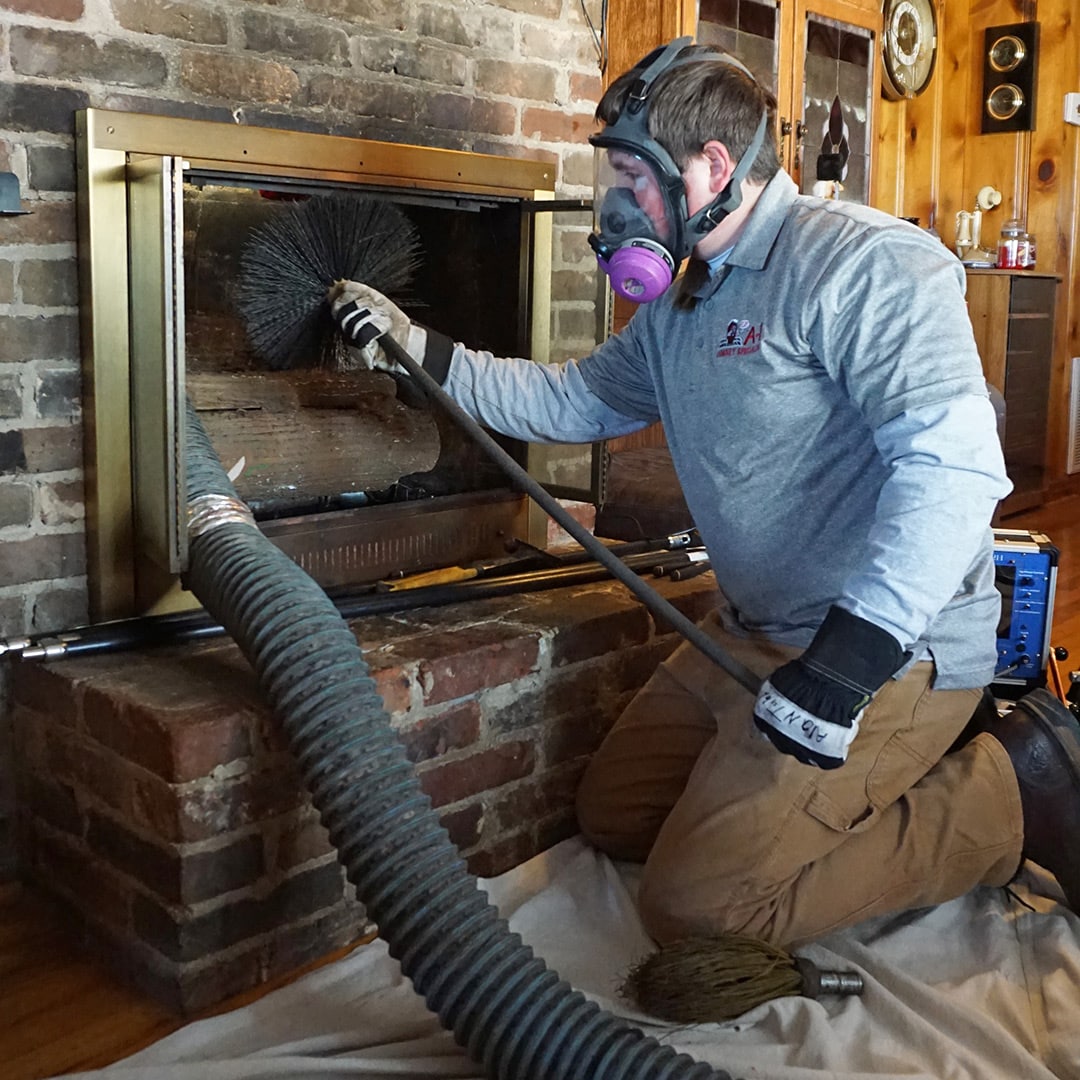
We operate under a strict, non-destructive diagnostic protocol. Our technicians do not guess, and we do not smash holes in your walls. We rely entirely on thermal imaging diagnostics and pinless moisture meters to map the water ingress behind the plaster. During our interior inspections, we wear surgical-grade shoe covers and lay down impermeable canvas drop cloths around the hearth. We trace the leak with clinical precision, keeping your living room absolutely spotless and intact while we gather the hard data required to formulate a repair.
Ensuring Your Waterproofing Meets St. Louis County Building Codes
Applying chemical sealants and altering the exterior envelope of your home requires strict adherence to local building codes. You cannot simply spray a random chemical on a chimney and assume it meets the municipal standards for weatherproofing. We execute all masonry sealing and flashing repairs in absolute compliance with the International Residential Code (IRC) standards adopted by St. Louis County.
Documenting Moisture for Insurance Claims
If your chimney leak was triggered by a severe windstorm that tore the flashing loose, your homeowner’s insurance policy may cover the resulting interior water damage. However, adjusters require hard, irrefutable proof. Our forensic technicians document the precise moisture readings, provide the thermal imaging screenshots, and record the exact code-compliant methods required to restore the envelope. This highly technical documentation arms you with the exact evidence needed to successfully process your storm damage claim without delays.
From Thermal Imaging to a Dry Hearth in 48 Hours
When water is actively destroying your home, waiting weeks for a contractor to repair it is entirely unacceptable. We remove the anxiety of the unknown by adhering to a highly predictable, 48-hour timeline from the moment we begin our diagnostics.

We arrive at your property, establish our interior drop cloths, and deploy the thermal imaging cameras. We map the exact moisture trajectory, physically inspect the exterior masonry, and pinpoint the specific failure. We immediately apply temporary surface-tolerant mastics to stop the active leak.

Once the rain stops and the brick surface dries to the required application parameters, we return to execute the permanent fix. We grind out deteriorated mortar joints, replace torn flashing, and apply commercial-grade silane-siloxane penetrating sealants. We leave your property completely waterproofed and secure.
Our 3-Step Advanced Leak Tracking Protocol
We eliminate the endless cycle of trial-and-error repairs by executing a militant, three-step forensic protocol that guarantees we find the true source of the water.
We start inside your home. Using high-resolution thermal imaging cameras, we scan the ceiling, drywall, and firebox to detect the cold temperature anomalies left behind by migrating water, proving exactly where the moisture is pooling.
We take our digital pinless moisture meters to the exterior brickwork. We measure the exact moisture content of the masonry at various elevations to determine if the bricks are suffering from total saturation or if the leak is isolated to a specific flashing joint.
Once the entry point is confirmed and physically repaired, we flood-coat the entire chimney structure with a 100% vapor-permeable silane-siloxane sealant, creating an invisible, highly aggressive barrier against future rainfall.
Upfront Pricing for Forensic Moisture Detection
The roofing and chimney industry is notorious for exploiting homeowners with open-ended “Time and Materials” contracts when trying to find a leak. A contractor will charge you hundreds of dollars an hour just to spray a garden hose at your roof while trying to recreate the problem. We completely reject this outdated, expensive model.
Stop Paying for “Trial and Error” Roof Fixes
We provide a strict, upfront flat-rate diagnostic fee for our complete thermal leak tracking service. You know exactly what it will cost to deploy our cameras and moisture meters before we ever start the inspection. We don’t charge you to guess. Once we scientifically identify the exact breach, we hand you a transparent, line-itemized quote for the permanent masonry sealing and flashing repair. You remain in total control of your budget from start to finish.

Choose EBS Home Care LLC to Terminate Recurring Leaks

When you are frustrated by a chimney leak that multiple contractors have failed to solve, you need a highly technical forensic approach. Standard roofers lack the specialized equipment required to understand the complex physics of masonry absorption, leaving your home vulnerable to chronic water damage and hidden wood rot.
Operating directly from our dispatch center in Overland, EBS Home Care LLC delivers advanced moisture tracking and commercial-grade waterproofing to homeowners across the Greater St. Louis area. Our technicians deploy thermal imaging and strictly apply vapor-permeable sealants to permanently secure your home’s exterior envelope. Do not let a porous chimney destroy your living room ceiling. Call our team today to trace the leak, stop the water, and permanently protect your property.
Leak Diagnostic: The Hard Truth About Waterproofing Costs, Masonry Absorption, and Hidden Water Ingress
How much does advanced chimney leak repair and waterproofing cost in Overland, MO?
The average cost for complete chimney waterproofing and leak repair ranges from $600 to $1,500. EBS Home Care LLC charges a strict, upfront flat-rate fee for our initial thermal imaging diagnostics to pinpoint the exact water ingress pathways. Once the step flashing failure or deteriorated mortar is identified, we provide a precise, line-itemized quote to repair the breach and flood-coat the structure with commercial-grade silane-siloxane penetrating sealants.
Why shouldn't I use a store-bought clear-coat paint for a leaking chimney?
No, applying a retail clear-coat masonry paint to your chimney will aggressively accelerate structural decay. These cheap surface products trap internal moisture gases inside the brick, causing massive hydrostatic pressure build-up when St. Louis temperatures drop below freezing. Professional waterproofing requires 100% vapor-permeable sealants that block exterior rain while allowing the brick porosity to naturally exhale trapped water vapor.
What is the "life expectancy" of silane-siloxane sealant in the St. Louis climate?
The life expectancy of a commercial-grade silane-siloxane penetrating sealant is exactly 10 years when applied correctly to clean masonry. Unlike cheap hardware store silicone that peels off after one harsh Missouri winter, these engineered chemicals absorb a quarter-inch deep into the substrate. This creates a permanent hydrophobic barrier that prevents severe masonry absorption without altering the natural aesthetic of your historic brickwork.
Does my homeowner's insurance cover repairs for masonry absorption leaks?
Yes, standard Missouri homeowner’s insurance policies cover sudden interior water damage caused by an acute step flashing failure during a severe windstorm. However, adjusters will routinely deny claims if the leak stems from gradual masonry absorption or neglected brick porosity. Our technicians utilize advanced thermal imaging diagnostics to document the exact origin of the hydrostatic pressure breach, providing the forensic evidence required to support your claim.
Is a hidden chimney leak considered an emergency?
Yes, a hidden chimney leak is an absolute structural emergency that requires immediate intervention. Water migrating silently behind your living room drywall rots the wooden floor joists and fuels toxic black mold growth long before you see a puddle on the hearth. We deploy rapid-response moisture diagnostic units to trace the water ingress pathways and temporarily stop the bleeding before the structural framing is destroyed.
What specific tools do you use for advanced chimney leak diagnostics?
We use high-resolution FLIR thermal imaging cameras and digital pinless moisture meters to perform non-destructive leak diagnostics. Rather than tearing open your expensive drywall with a sledgehammer, we scan the interior ceilings and exterior chase to detect cold temperature anomalies left by migrating water. This specialized equipment scientifically maps the exact hydrostatic pressure failure points hidden deep within the masonry.
What is the difference between silane-siloxane sealants and standard silicone caulk?
The difference is that silane-siloxane is a vapor-permeable chemical that penetrates deep into the brick, whereas standard silicone is a non-porous surface adhesive. If you seal a step flashing failure with silicone during an active rainstorm, it will immediately wash away or trap existing moisture inside the wall. Our penetrating sealants chemically react with the minerals in the masonry to block water droplets while allowing the structure to breathe.
What are the specific St. Louis County codes for chimney waterproofing?
The 2015 International Residential Code (IRC), as amended by St. Louis County Ordinance #27,654, classifies exterior masonry sealants as exempt ordinary maintenance and does not require a structural building permit. However, if the water ingress pathways have severely rotted the load-bearing wood framing inside a prefabricated chimney chase, a permit is mandatory for the carpentry rebuild. We ensure all flashing repairs strictly meet municipal wind-uplift and weatherproofing standards.