
Remove Trapped Raccoons and Birds Immediately Before Toxic Nesting Debris Contaminates Your Living Room
Our Overland-based dispatch center coordinates rapid wildlife extraction across the St. Louis metro, arriving before panicked animals can breach your damper and enter your living room.
As part of our St. Louis 24/7 emergency chimney repair protocol, we respect your peace of mind by adhering to a highly efficient, predictable 4-hour emergency timeline
What to Do When You Hear Scratching Above the Fireplace
If you hear scratching above your fireplace, you likely have a wildlife intrusion causing a severe flue obstruction. Do not open the damper. Keep the firebox sealed to contain zoonotic pathogens and immediately dispatch a professional extraction team to safely remove the animal and perform biohazard sanitization.
When a wild animal breaches your chimney, your fireplace ceases to be a heating appliance and immediately becomes a severe biological hazard. Animals do not just sleep in the flue; they build massive nests out of highly flammable dry debris and establish latrines directly above your living room. The instinct for many homeowners is to open the throat damper to see what is making the noise. This is a critical mistake. Opening the damper often results in a panicked, soot-covered animal falling directly into your house, bringing hundreds of ticks and fleas with it.
Even worse, attempting to light a fire to “smoke them out” will cause the terrified animal to wedge itself tightly into the narrow smoke chamber. This creates a complete drafting failure, forcing deadly carbon monoxide and acrid wood smoke back into your home while the animal perishes. You need a specialized extraction team to secure the perimeter, trap the animal safely from the top down, and remove the threat mechanically.


Why Overland’s Spring Wildlife Targets Masonry Chimneys
If you hear scratching above your fireplace, you likely have a wildlife intrusion causing a severe flue obstruction. Do not open the damper. Keep the firebox sealed to contain zoonotic pathogens and immediately dispatch a professional extraction team to safely remove the animal and perform biohazard sanitization.
When a wild animal breaches your chimney, your fireplace ceases to be a heating appliance and becomes an immediate biological hazard. Animals do not just sleep in the flue; they build massive nests out of highly flammable dry debris and establish latrines directly above your living room. The instinct for many homeowners is to open the throat damper to see what is making the noise. This is a critical mistake. Opening the damper often results in a panicked, soot-covered animal falling directly into your house, bringing hundreds of ticks and fleas with it.
Even worse, attempting to light a fire to “smoke them out” will cause the terrified animal to wedge itself tightly into the narrow smoke chamber. This creates a complete drafting failure, forcing deadly carbon monoxide and acrid wood smoke back into your home while the animal perishes. You need a specialized extraction team to secure the perimeter, trap the animal safely from the top down, and remove the threat mechanically.
Extracting a Cornered Raccoon on Woodson Road
Last April, a homeowner near Woodson Road called our dispatch center in a panic. Her dogs were aggressively barking at the fireplace drywall, and she had heard heavy scratching for days. I arrived, laid out our heavy canvas drop cloths, and used a specialized inspection mirror to check above the throat damper. A massive female raccoon was wedged directly on the smoke shelf.
The homeowner’s previous contractor had installed a flimsy, friction-fit aluminum cap that the raccoon had simply bent and popped off. I locked out the firebox opening so the animal couldn’t bolt into the living room. Using specialized heavy-duty snares and thick Kevlar handling gloves, I safely grabbed the aggressive raccoon and executed a top-down extraction through the flue. We removed her pups, cleared the massive debris blockage, and instantly prevented a dangerous physical encounter inside the client’s home.


The Hidden Threat of Raccoon Latrines and Histoplasmosis
Wildlife intrusion is not just a noise nuisance; it is a severe health crisis hiding in your walls. Raccoons establish latrines inside your chimney, dumping feces and urine directly onto the porous brick of the smoke chamber. This accumulated waste harbors deadly zoonotic pathogens, most notably Baylisascaris (raccoon roundworm), which can cause severe neurological damage if the microscopic eggs are inhaled or ingested.
Similarly, accumulated bird and bat droppings release microscopic fungal spores. When these droppings dry out and are disturbed by a sudden downdraft, the spores are pushed into your home’s breathable air, causing Histoplasmosis, a severe respiratory infection. You cannot live with these toxic byproducts circulating directly through your home’s ventilation system, especially when negative pressure draws that contaminated air into your living room.
Why We Use H-Class HEPA Vacuums and Antimicrobial Foams
You cannot clean raccoon feces and toxic bird droppings with household bleach and a wire brush. Standard scrubbing simply kicks the microscopic, infectious spores directly into your face and throughout the house. We treat the smoke chamber like a hazardous material site. We utilize specialized H-Class industrial vacuums equipped with true HEPA filters certified to capture 99.97% of all airborne particulate matter down to 0.3 microns.
Eradicating Fungal Spores at the Molecular Level
Once the animal and bulk nesting debris are removed, we deploy EPA-registered, commercial-grade foaming antimicrobial agents. These heavy-duty chemical modifiers are specifically formulated to break down biohazardous waste at the molecular level. The thick foam clings to the vertical, porous brick walls of the flue, physically dissolving the toxic residues, urine stains, and fungal spores so they can be safely extracted by our vacuums without going airborne.

Safely Removing Nests Even if Your Damper is Seized Shut
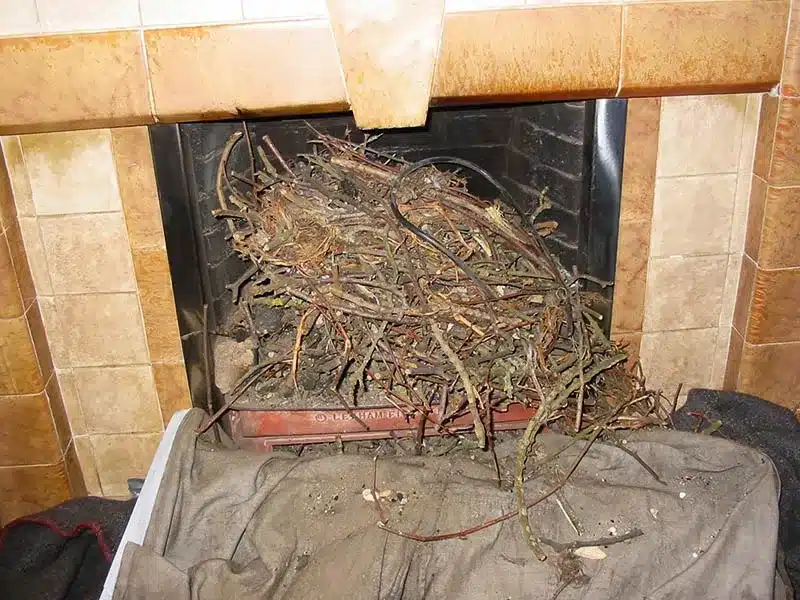
Homeowners often panic when they shine a flashlight up their damper and see a massive, compacted wall of twigs and leaves completely blocking the sky. They assume the chimney has to be dismantled or their walls torn open to clear the blockage. Even if the flue obstruction is completely wedged in the chimney’s narrow throat, or if your rusted damper is seized shut, we can safely extract the debris.
We utilize specialized rotary whips attached to high-torque drills to mechanically break apart hardened, compacted nesting materials from the bottom up. The spinning cables shatter the blockage without cracking your fragile clay tiles or destroying your cast-iron damper assembly, allowing the debris to fall safely onto our drop cloths for immediate containment.
Dealing with Chimney Swifts in 1940s Unlined St. Louis Flues

In Missouri, dealing with birds in the chimney requires specialized knowledge of local housing stock. The Chimney Swift is a highly common local nuisance that migrates through the St. Louis area every spring. These specific birds cannot cling to modern, slick stainless steel liners. Instead, they specifically target the older, unlined brick flues common in 1940s and 1950s Overland homes.

Chimney swifts build their nests by gluing twigs to the porous brick walls using their own saliva. Over years of repeated nesting, these structures build up and create a severe, highly flammable flue obstruction. Because these older, unlined chimneys are already vulnerable to heat transfer, a fire igniting these dry nests will instantly threaten the house’s wooden framing.
Preventing Severe Flue Obstructions
The Cheap Aluminum Cap Failure
Generic sweeps and big-box hardware stores constantly push cheap, galvanized aluminum chimney caps. These flimsy metal screens are completely useless against determined St. Louis wildlife. A pregnant raccoon navigating your roof is incredibly strong. She can easily crush a cheap aluminum screen or completely rip a pressure-fitted cap right off the clay tile to access the warm draft of your chimney.
If you rely on cheap retail caps, the animals will return the very next season, and you will find yourself paying for another extraction. We refuse to install them. We protect your property by mechanically bolting heavy-gauge exclusion guards directly into the concrete chimney crown, ensuring nothing can pry them loose.
Protecting Your Carpets from Carcinogenic Soot and Fleas
When an animal is trapped in a chimney, it frantically claws at the walls, dislodging decades of accumulated creosote and heavy black soot. The absolute last thing you want is a terrified, soot-covered raccoon or bird escaping into your home, tracking carcinogenic ash and wild fleas across your white living room carpets.
We operate under a militant respect and logistics protocol. Our technicians do not step foot past your front door without applying heavy-duty, surgical-grade shoe covers. Before we ever approach the firebox to investigate the intrusion, we establish a secure physical perimeter. We lay down impermeable canvas drop cloths covering a ten-foot radius around the hearth and seal the firebox opening with heavy plastic to guarantee no pests or soot can enter your living space during the extraction.
From Dispatch to Biohazard Decontamination in Under 4 Hours
When you have an aggressive animal scratching at your damper plate and a foul odor filling your home, you do not have the patience for a contractor who moves slowly or puts you on a waiting list. We respect your peace of mind by adhering to a highly efficient, predictable 4-hour emergency timeline.

Upon dispatch, our rapid-response wildlife unit mobilizes from our Overland headquarters.
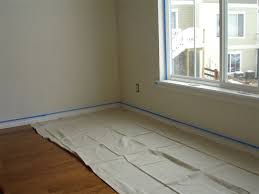
We arrive, establish our heavy-duty drop cloths, secure the hearth perimeter, and execute the humane raccoon extraction or bird removal from the roofline or firebox.
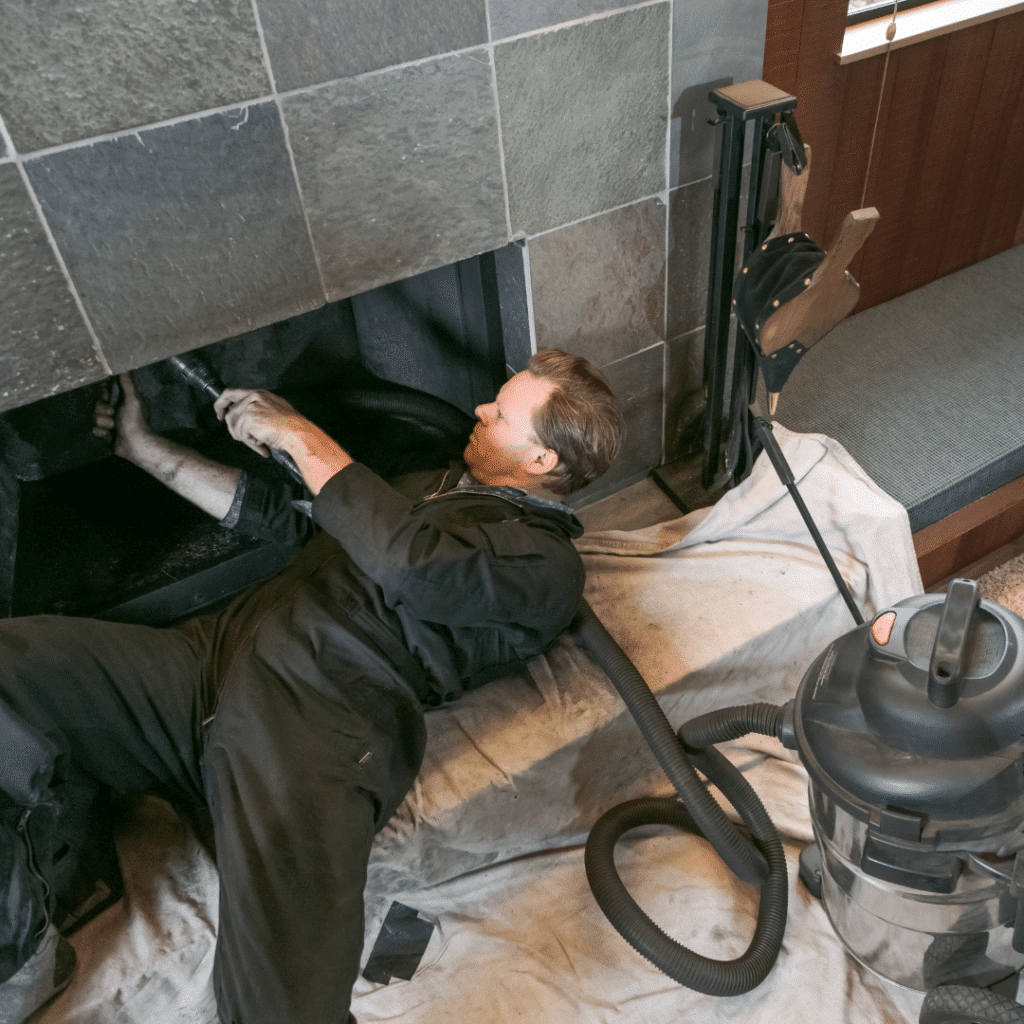
We mechanically extract the severe flue obstruction, deploy our H-Class HEPA vacuums, and apply the antimicrobial foams to dissolve the zoonotic pathogens.

We verify the chimney is drafting safely, fabricate the custom spark arrestors, bolt them to the crown, and extract our equipment, leaving your home completely sterilized and secure.
Our 3-Step Wildlife Exclusion and Sanitization Protocol
We have refined our wildlife response into a highly disciplined, three-step protocol that guarantees immediate safety and long-term biological defense for your property.
We refuse to use poisons or smoke tactics. We utilize professional snares, catch poles, and humane cage traps to safely extract the cornered wildlife and remove the physical threat from your property.
We mechanically clear the highly flammable nesting debris. We then run our HEPA filtration systems while scrubbing the smoke chamber with EPA-registered chemical agents, completely eradicating the risk of histoplasmosis and roundworm.
We measure, fabricate, and install heavy-gauge, 304-grade stainless steel animal guards. We bolt these directly into the masonry, permanently fortifying the chimney against any future intrusions while stopping stray sparks from hitting your roof.
Honest, Flat-Rate Quoting for Animal Extraction and Exclusion
Dealing with a wild animal scratching inside your walls is stressful enough without worrying about an escalating invoice. The industry is full of pest control companies that charge a cheap “trip fee” to show up, but then rack up hundreds of dollars in hidden hourly labor fees while they struggle to figure out how to catch the animal.
No “Time and Materials” Trapping Fees
We reject that predatory pricing model. We provide a strict, upfront flat-rate quote for the complete wildlife extraction, the hospital-grade biohazard sanitization, and the custom exclusion guard installation. You know the exact cost of the entire remediation process before we ever lay down our drop cloths. We do not charge by the hour for trapping, ensuring you get rapid, transparent service without financial surprises.
Depend on EBS Home Care LLC to Lock Out St. Louis Pests

When wildlife breaches your chimney, you need a highly technical local contractor who understands exactly how to neutralize the biological threat and structurally secure the masonry. A standard exterminator does not know how to protect your clay flue tiles, and a standard sweep doesn’t know how to handle an aggressive raccoon or mitigate zoonotic pathogens.
Operating directly out of our dispatch hub in Overland, EBS Home Care LLC possesses the exact dual-expertise required. We provide rapid, humane wildlife extractions to homeowners across the Greater St. Louis metro area, followed by clinical-grade sanitization and heavy-duty masonry exclusion. Do not share your home’s airflow with toxic animal waste and severe fire hazards. Call our dispatch center today to safely remove the threat and permanently lock down your chimney.
Wildlife Triage: The Hard Truth About Extraction Costs, Zoonotic Pathogens, and Exclusion Guards
How much does emergency chimney animal removal cost in Overland, MO?
The average cost for humane raccoon extraction and hospital-grade biohazard sanitization ranges from $450 to $900. Pricing scales based on the severity of the flue obstruction and the volume of toxic nesting debris that must be cleared. We provide a strict, upfront flat-rate quote that includes trapping, chemical neutralization of zoonotic pathogens, and bolting down custom spark arrestors.
Does my homeowner's insurance cover wildlife damage and biohazard removal?
Yes, most standard Missouri homeowner’s policies cover the physical repair of torn flashing and the subsequent biohazard sanitization after a sudden wildlife intrusion. However, insurance adjusters typically will not pay for the initial trapping and pest removal service itself. We provide your insurance carrier with highly detailed photographic evidence of the flue obstruction and zoonotic pathogen contamination to ensure your structural damage claims are approved rapidly.
Why shouldn't I use a fire to smoke a trapped animal out of my flue?
No, lighting a fire to smoke out trapped wildlife will instantly cause the terrified animal to wedge itself tightly into the smoke chamber and perish. The intense heat creates a massive physical flue obstruction that immediately triggers a deadly carbon monoxide drafting failure into your living room. Professional raccoon extraction requires specialized heavy-duty snares, Kevlar gloves, and top-down mechanical expertise to safely remove the pest without destroying your home’s exhaust capabilities.
Are there any local Missouri regulations on removing chimney swift nests?
Yes, the Federal Migratory Bird Treaty Act strictly prohibits the removal or destruction of active chimney swift nests. These protected birds migrate through the St. Louis area every spring and specifically target older, unlined masonry chimneys for roosting. If eggs or flightless young are present, Missouri Department of Conservation regulations require us to wait until the young fledge before we can legally remove the nest and perform biohazard sanitization.
Is a raccoon trapped inside my chimney considered an emergency?
Yes, a raccoon or bat trapped inside your chimney is a severe life-safety emergency that requires immediate dispatch. Panicked, cornered wildlife can easily tear through a rusted cast-iron throat damper and enter your Overland living room, introducing aggressive behavior and deadly zoonotic pathogens directly into your breathing space. Our rapid-response teams deploy 24/7 to secure the firebox perimeter and trap the animal safely.
Is the biohazard sanitization process safe for my pets and children?
Yes, our clinical-grade biohazard sanitization is 100% safe for occupied homes because we establish immediate negative pressure containment at the hearth. We utilize H-Class industrial vacuums equipped with true HEPA filters certified to capture 99.97% of carcinogenic soot and fungal spores down to 0.3 microns. This strict protocol ensures that no EPA-registered antimicrobial foams or zoonotic pathogens ever enter your family’s breathable indoor air.
How long does a typical wildlife extraction and sanitization appointment take?
A full wildlife extraction, paired with biohazard sanitization, takes 2 to 4 hours to complete safely. The exact timeline depends heavily on whether the animal is actively aggressive or deeply entrenched behind a seized throat damper. After the humane raccoon extraction is complete, our technicians spend the majority of the appointment running HEPA filtration and applying antimicrobial agents to completely eradicate the threat of histoplasmosis.
What is the difference between a standard chimney cap and a custom spark arrestor?
A custom spark arrestor is mechanically bolted directly into the masonry crown with heavy-duty anchors, whereas a standard aluminum cap is merely pressure-fitted and easily ripped off by pests. Raccoons navigating St. Louis County rooftops are incredibly strong and will easily bend cheap hardware-store metal to access a warm flue. We exclusively install heavy-gauge, 304-grade stainless steel animal guards that permanently lock out wildlife while maintaining mathematically perfect combustion airflow.