
Convert Your Drafty Wood Fireplace to a High-Heat Gas Insert This Month Without Hiring a Separate Plumber and Mason
We offer turnkey wood-to-gas conversions that include the masonry modification, gas line routing, and permit acquisition in one complete package.
As a core component of our St. Louis fireplace design and upgrade services, we take the confusion out of the remodeling process
What Is a Wood-to-Gas Fireplace Conversion?
A wood-to-gas conversion involves retrofitting an existing, inefficient open masonry fireplace with a fully sealed direct-vent gas insert. This upgrades the system from a drafty aesthetic feature to a highly efficient primary heat source, utilizing dual-pipe exhaust technology and dedicated gas line routing.
Traditional masonry hearths lose a significant amount of central heat. We completely alter the firebox’s thermodynamics by installing a sealed metal unit directly into the existing brick opening. This process completely stops the conditioned air in your house from escaping up the open chimney flue. By introducing a dedicated gas line and sealing the combustion chamber behind ceramic glass, we turn a localized, labor-intensive wood fire into a powerful, automated heater that actively warms your home.


Why St. Louis Homeowners Are Abandoning Wood Fires
The reality of burning real wood in the Greater St. Louis area is physically exhausting. It requires sourcing perfectly seasoned oak, stacking it in the freezing cold, and hauling bug-infested logs through your clean living room. On top of the intense physical labor, you are constantly battling unpredictable drafts when the severe Midwestern winter winds blow right down the chimney and push smoke into the room. The romantic idea of a wood fire quickly devolves into a frustrating chore. People are tired of smelling like a campfire and dealing with mountains of ash just to keep their living room warm on a Tuesday night.
Visiting Our Overland Design Team
Instead of abandoning the fireplace entirely and letting it sit as a dark, unused hole in the wall, homeowners are choosing modernization. Visit our Overland design team to explore premium gas inserts that instantly upgrade the heating capacity and aesthetic of any St. Louis home. You can physically inspect modern units that precisely mimic the aesthetic of a natural wood fire, right down to the glowing ember beds and high-definition ceramic logs, without any of the associated physical labor.
Transforming a Drafty Ladue Hearth Into a Heat Source
Last November, I met with a homeowner in Ladue who had completely stopped using her massive, gorgeous brick fireplace. Every time she tried to light a fire, the house filled with smoke. Even worse, when the fireplace wasn’t lit, freezing air poured down the open flue, making the entire living room unbearably cold. She desperately wanted the ambiance back but refused to spend another winter chopping wood.
I inspected the firebox, took exact laser measurements of the brick opening, and proposed a high-output direct-vent gas insert. The following week, our crew arrived. We dropped the dual aluminum exhaust liners down the existing masonry chimney shaft and executed the custom gas line routing through the basement joists, drilling cleanly through the back of the firebox. We capped the old clay flue, completely sealing the draft. When I handed her the remote control, she ignited a roaring fire instantly. The room temperature jumped ten degrees in thirty minutes, and the freezing downdraft was permanently eliminated.

The Severe Inefficiency of an Open Masonry Flue
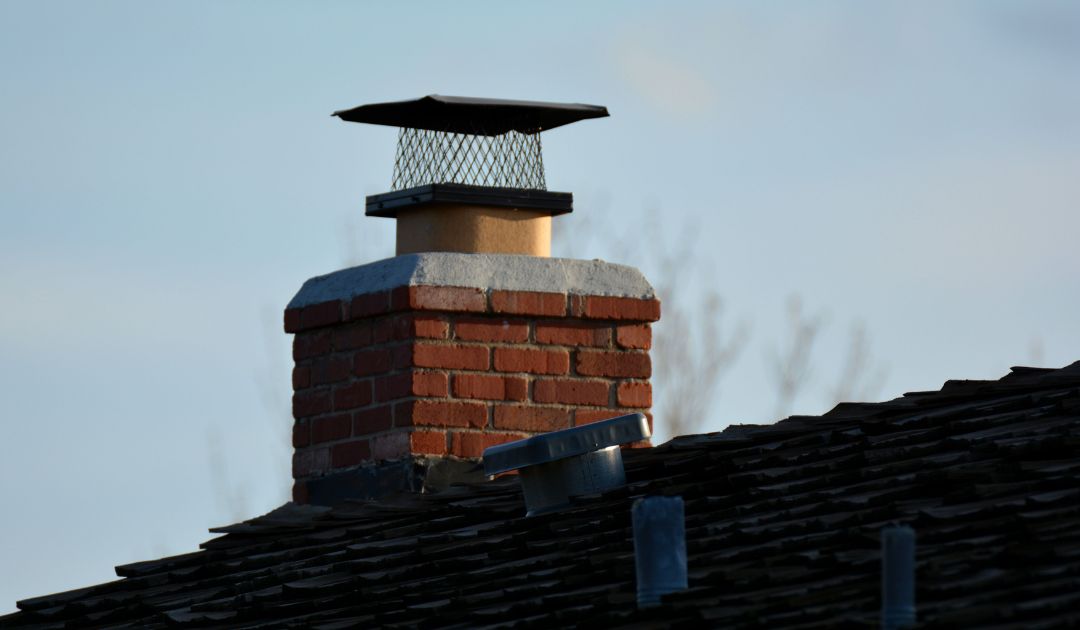
An open masonry fireplace is an absolute energy black hole. When a wood fire burns, it requires massive volumes of oxygen. It pulls the expensive, heated air generated by your central furnace directly out of your living room and pushes it straight up the chimney. You might feel warm sitting directly in front of the flames, but the rest of your house is actively freezing.
This massive energy loss forces your HVAC system to run continuously just to compensate for the vacuum effect. A wood-to-gas conversion completely terminates this destructive process. The new insert features a sealed glass front that permanently closes the hole in your living room and isolates the combustion process from your home’s conditioned air. Your furnace stops working overtime, and the heat stays exactly where it belongs: inside your house.
Why We Recommend Direct-Vent Gas Inserts
We completely reject the use of unvented or “vent-free” gas logs. Vent-free logs dump massive amounts of moisture, carbon monoxide, and combustion byproducts directly into your breathable indoor air, promoting mold growth on your windows and severe respiratory issues. We strictly recommend and install direct-vent gas inserts to ensure absolute air quality.
Understanding Thermal Efficiency Ratings
A direct-vent gas insert utilizes a co-linear dual-pipe system dropped down your existing chimney. One aluminum pipe pulls fresh, outside oxygen down into the sealed firebox for combustion, while the second pipe expels the toxic exhaust gases safely outside. Because this system is completely isolated from your room air, it achieves a massive thermal efficiency rating of up to 85 percent. Instead of losing heat up the chimney, the unit utilizes built-in, variable-speed blowers to push extreme heat directly into your living space, making it a highly effective supplemental heating appliance.


Upgrading Your Hearth Even If You Lack Existing Gas Lines
Many homeowners mistakenly assume they cannot transition to a gas fireplace because their house was never plumbed for natural gas or propane near the living room. They look at their pure wood-burning setup and think a conversion is an impossible dream. Even if you completely lack an existing gas stub inside your firebox, we can still execute the upgrade today.
Our technicians are highly trained in running new, code-compliant gas lines from your main utility meter directly to the hearth. Whether we need to carefully route flexible corrugated stainless steel tubing (CSST) through a tight crawlspace or hard-pipe black iron through an unfinished basement ceiling, we will establish a safe, dedicated, high-capacity fuel source for your new appliance.
Retrofitting 1980s Red Brick Fireplaces for Modern Living

Throughout the St. Louis suburbs, thousands of homes built in the 1970s and 1980s feature massive, dark-red-brick fireplaces that dominate the living rooms. These dated, cavernous structures absorb light, making the room feel incredibly heavy and outdated. Many of our clients pair their new insert with a complete stone veneer fireplace remodel to completely bury the dated 1980s brick When we perform a wood-to-gas conversion, we don’t just change the fuel type; we update the entire architectural aesthetic.

We offer custom metal surround panels that overlap the jagged, soot-stained brick, providing a clean, flush, modernized facing. By updating the internal components with large ceramic glass fronts and high-definition log sets, we transform an ugly black hole into a stunning focal point. More importantly, the engineered firebox drastically increases the radiant heat output, pushing warmth outward into the room rather than letting it get absorbed and wasted by the cold, heavy brick mass hiding behind your walls.
Achieving High Radiant Heat Output
Routing Gas Lines Without Destroying Your Hardwood Floors
Running new utility lines through an existing, furnished home causes intense anxiety for property owners. You do not want a contractor ripping up your expensive hardwood floors or smashing massive holes in your finished basement drywall just to route a single gas pipe.
We operate under a militant respect and logistics protocol. We use specialized laser levels and stud finders to map the exact route of the gas line through hidden chases and floor joists. When drilling through the masonry firebox to bring the line in, we utilize diamond core bits and continuous H-Class HEPA vacuum extraction to capture 99.97% of the silica dust. This guarantees your living room remains absolutely pristine and your flooring goes completely untouched during the entire plumbing phase.
The Ultimate Convenience of Push-Button Ignition
Imagine coming home from a long, grueling day at work during a freezing St. Louis winter. Instead of carrying heavy logs from the yard, balling up newspaper, and struggling with matches while cold air blows in your face, you simply sit on your couch and press a button.
The luxury of push-button ignition fundamentally changes how you use your home. With the included remote control or smart-home thermostat integration, you can instantly set the exact flame height, blower speed, and room temperature. You get the immediate ambiance and warmth of a roaring fire with absolutely zero physical labor and zero ash to sweep up the next morning. You will find yourself using the fireplace every single day instead of just on major holidays.
Our 48-Hour Turnkey Wood-to-Gas Conversion Timeline
We respect your time and your property by operating on a highly structured, 48-hour installation timeline. You will not have an active construction zone sitting in your living room for a week.
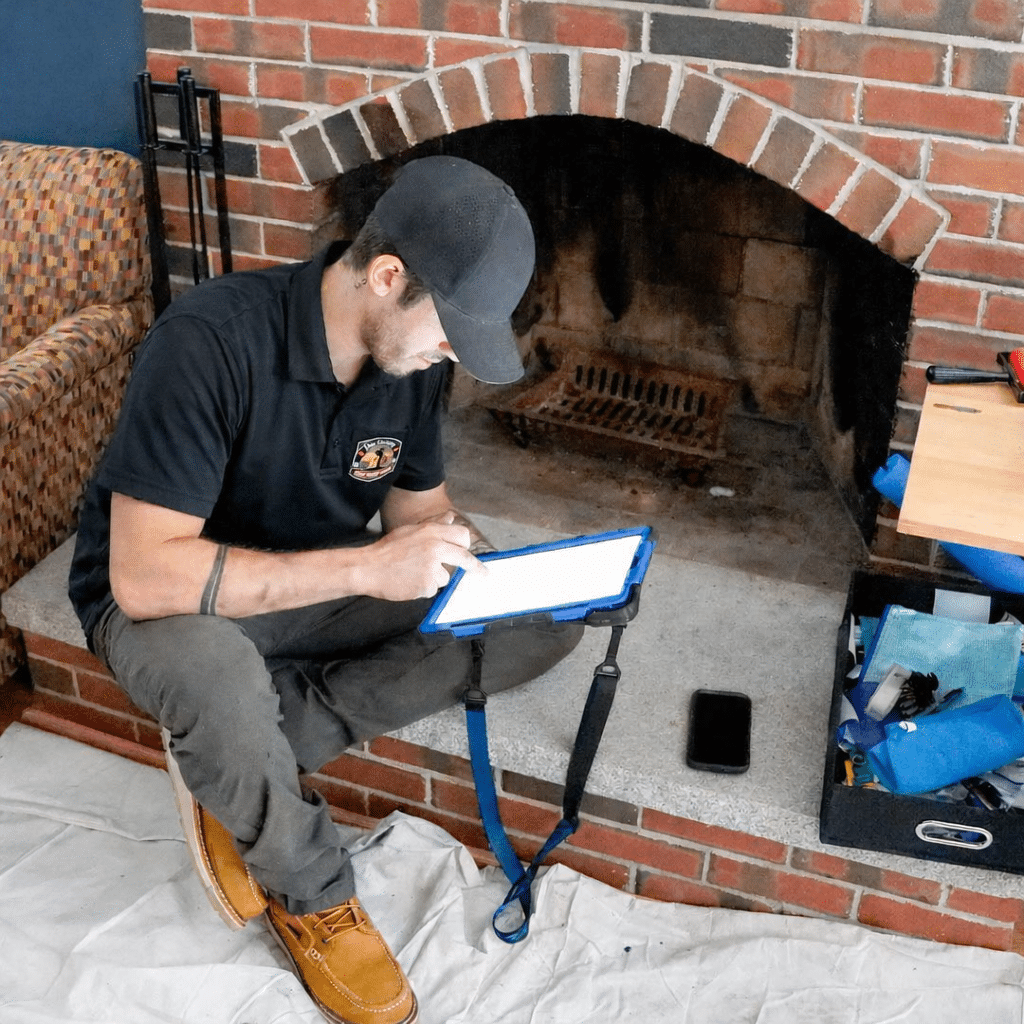
We arrive at your Overland property, lay down our interior drop cloths, and establish the work zone. We core-drill the masonry, execute the gas line routing from your utility meter to the hearth, run the required electrical conduit for the blower, and drop the dual aluminum exhaust liners down the chimney shaft, securing them tightly at the crown.
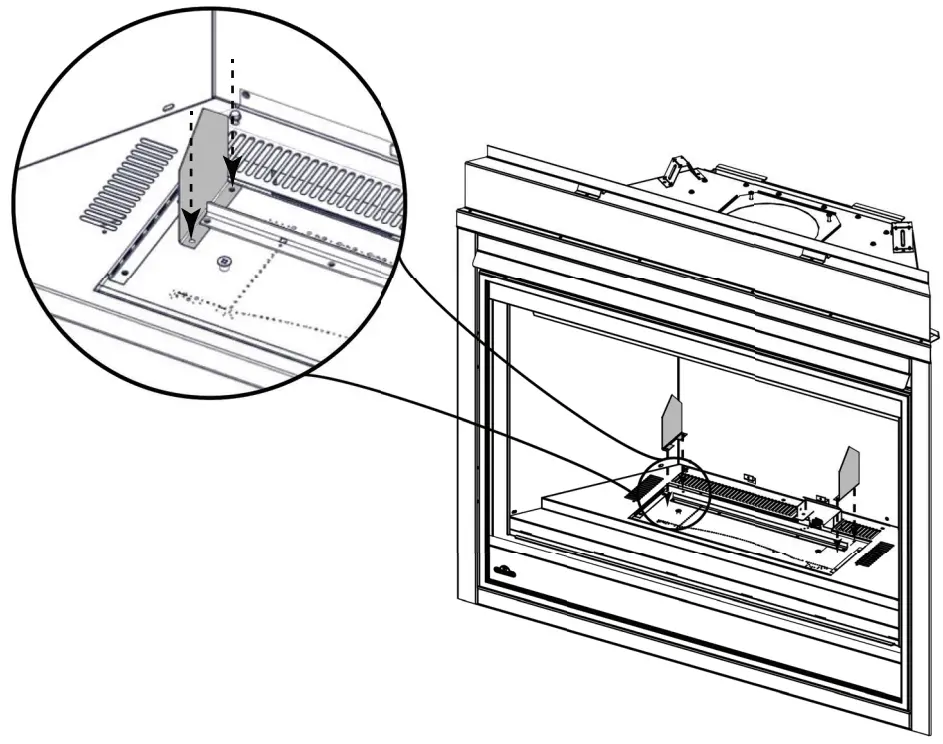
We slide the heavy steel gas insert into the firebox, connect the gas valve, and perform our mandatory pressure testing. We attach the decorative surround, arrange the ceramic log media, program your remote control, and walk you through the push-button ignition process before leaving your home perfectly clean.
Your 3-Step Path to a High-Efficiency Hearth
We take the confusion out of the remodeling process with a clear, three-step methodology designed for high-ticket residential upgrades.
Our technicians visit your home to take exact laser measurements of your existing masonry firebox. We consult with you to select the exact insert model, log style, interior refractory brick panels, and surround backing to perfectly match your interior design goals.
We handle the complex logistics. We safely route the necessary gas piping and electrical conduit directly to the fireplace, completely hiding the infrastructure from view so the final product looks like it was built with the house.
We drop the co-linear exhaust pipes, slide the unit into place, and secure the airtight glass front, officially completing the wood-to-gas conversion and turning your hearth over for immediate use.
Upfront Quoting for Turnkey Insert Installations
Buying a high-ticket home appliance should not involve hidden fees. Many fireplace shops will sell you the actual insert unit at a discount, but hide the massive costs of the venting pipe, the gas plumbing labor, and the custom surround panels until the end of the job. We reject this deceptive practice entirely.
We provide a single, upfront, flat-rate quote. Your contract includes the physical gas insert, all required dual-venting materials, the custom masonry modifications, the gas line routing, and the St. Louis County permit fees. You know the exact, final cost of the turnkey project before we order a single part.
Slashing Your Winter Utility Bills With Zone Heating
A direct-vent gas insert is a massive financial asset. By utilizing the concept of zone heating, you can turn down your home’s central furnace thermostat by ten degrees and use the high radiant heat output of the fireplace to perfectly heat the main living area where you spend the most time. This drastically reduces your monthly natural gas or propane usage, allowing the new high-efficiency insert to effectively pay for itself in utility savings over its operational lifespan.

Choose EBS Home Care LLC for Premium Fireplace Upgrades
Upgrading from a drafty, labor-intensive wood fireplace to a high-efficiency gas insert requires the expertise of certified master tradesmen. You cannot entrust your home’s plumbing, masonry, and electrical safety to a big-box retail store or a generic handyman.
Operating directly out of our Overland, MO hub, EBS Home Care LLC delivers premium, turnkey wood-to-gas conversions to homeowners across the Greater St. Louis area. We expertly route the gas, secure the municipal permits, and provide you with instant, push-button warmth that transforms how you use your home. Stop losing your expensive central heat up an open, drafty flue. Call our design team today to schedule your custom fireplace measurement and finally upgrade your hearth.
Conversion: The Hard Truth About Gas Insert Costs, Direct-Vent Technology, and Gas Line Routing
How much does a turnkey wood-to-gas fireplace conversion cost in Overland, MO?
The average cost for a complete turnkey wood-to-gas conversion ranges from $4,500 to $8,500. EBS Home Care LLC provides a strict, upfront flat-rate quote that entirely bundles the heavy steel direct-vent gas insert, the dual-pipe exhaust liners, and the custom gas line routing. This pricing model completely eliminates the hidden contractor fees and massive hourly upcharges associated with hiring a separate mason, plumber, and electrician to finish your hearth.
Will my push-button gas insert still heat my home during a winter power outage?
Yes, your direct-vent gas insert will continue to produce high radiant heat output during a St. Louis winter power outage. While the electrical blower fan will temporarily shut down without 120V power, the primary push-button ignition system utilizes a backup battery pack to safely spark the pilot light and ignite the main burner. This ensures your family maintains a reliable, powerful zone heating source when your central furnace fails during a severe ice storm.
Can I safely mount a television above my new high-efficiency gas insert?
Yes, you can safely mount a television above your direct-vent gas insert if the proper combustible clearances and heat-deflector mantles are engineered into the masonry modification. Because these inserts generate extreme radiant heat, the St. Louis County mechanical code requires precise clearance between the top of the firebox and sensitive electronics. Our technicians calculate these precise thermal zones and install protective barriers to ensure your TV is not damaged by rising heat.
Does a gas fireplace conversion still require an annual chimney sweep?
Yes, your converted gas fireplace still requires an annual safety inspection and cleaning to maintain its peak thermal efficiency rating. While you no longer have to sweep highly flammable Stage 3 creosote, an NFI Gas Certified Specialist must inspect the dual-pipe aluminum exhaust liners for bird nests, verify the integrity of the airtight ceramic glass seal, and clear the burner ports of residual carbon. Routine maintenance ensures your push-button ignition fires flawlessly and prevents dangerous carbon monoxide blockages.
What is the difference between a direct-vent gas insert and a vent-free gas log set?
A direct-vent gas insert utilizes a sealed dual-pipe exhaust system to isolate the fire from your indoor air, whereas a vent-free gas log set burns open and dumps moisture and exhaust directly into your living room. We exclusively install direct-vent technology because it mathematically guarantees absolute indoor air quality and achieves up to an 85% thermal efficiency rating. Vent-free logs frequently trigger respiratory issues, promote mold growth on windows, and violate stringent combustible clearance codes in heavily insulated St. Louis homes.
How does zone heating with a gas insert actually lower my St. Louis utility bills?
Zone heating lowers your utility bills by allowing you to drop your home’s central furnace thermostat by 10 to 15 degrees while using the high radiant heat output of the gas insert to heat the specific room you are occupying. An open masonry fireplace literally sucks your expensive central furnace heat up the flue, operating at a negative energy efficiency. By sealing the chimney with a glass-fronted insert, you trap the heat inside the house, maximizing your thermal efficiency rating and slashing natural gas consumption.
Why shouldn't I just hire a standard plumber to install my gas fireplace insert?
No, a standard residential plumber is not legally or mechanically certified to execute a complete wood-to-gas conversion inside a masonry chimney. While a plumber can route the black iron pipe, they cannot legally alter the firebox draft dynamics, install the co-linear dual-pipe exhaust system, or execute the required masonry modifications. Our NFI Gas Certified Specialists handle specialized gas line routing, mechanical retrofitting, and combustion testing required to meet strict fire safety codes in a single visit.
Do I need a St. Louis County mechanical permit to run a new gas line to my fireplace?
Yes, St. Louis County building codes explicitly require a mechanical permit for any gas line routing or the installation of a new direct-vent gas insert. Introducing a high-pressure fuel source into a historic masonry fireplace requires strict adherence to the International Residential Code (IRC) regarding combustible clearances and carbon monoxide venting. We manage all municipal permitting, pressure drop testing, and inspection scheduling to ensure your turnkey conversion is 100% legally compliant.