
Stop Freezing Thermal Downdrafts Instantly Without Temporarily Greasing a Broken Throat Damper
Conveniently located right in Overland, our fleet carries a full inventory of top-sealing dampers, allowing us to instantly cure freezing downdrafts in a single visit.
As an essential part of our St. Louis 24/7 emergency chimney repair protocol, we operate on a heavily regimented, 2-hour emergency timeline
What to Do When Your Chimney Damper is Seized Open
If your throat damper is seized in the open position, you are experiencing a total failure of flue isolation. Immediately stop using the fireplace and dispatch a technician to mechanically extract the rusted iron plates and install an airtight top-sealing damper to halt the massive energy loss.
When a fireplace damper fails, it stops being a minor inconvenience and immediately becomes a severe financial drain. The throat damper acts as the primary door between the climate-controlled air inside your house and the extreme weather outside. When that metal door rusts, warps, or jumps off its track, it leaves a permanent, gaping hole in your home’s thermal envelope. You are essentially leaving a window wide open during a blizzard.
Attempting to force a stuck damper closed with a broom handle or a fireplace poker will only bend the hinges further or snap the cotter pins, causing permanent mechanical damage. You need a specialized chimney technician to systematically disassemble the failed draft mechanism, safely extract the heavy cast-iron components, and completely modernize the system. We permanently eliminate the freezing drafts by moving the seal from the bottom of the chimney to the very top.

Fighting Sub-Zero Thermal Downdrafts in St. Louis
The Greater St. Louis area regularly experiences plunging winter temperatures, with January and February cold snaps frequently pushing wind chills well below zero. When you have an unsealed chimney flue during these extreme weather events, the physics of your home work against you. Because cold air is significantly denser and heavier than the warm air generated by your furnace, it aggressively sinks. This creates a severe thermal downdraft.
Freezing outdoor air plummets straight down your masonry chimney, pushes past the broken damper plate, and spills directly into your living room. Your central heating system then has to work in overdrive to compensate for the constant influx of freezing air, running continuously just to maintain a baseline temperature.
The True Cost of Winter Energy Loss
A broken throat damper is an energy thief. Studies conducted on residential heating efficiency demonstrate that a compromised fireplace damper can increase a home’s winter heating costs by up to 30 percent. Every hour that your damper remains stuck open, you are paying your utility provider to heat the outside atmosphere. We stop this financial bleed by deploying immediate, mechanical flue isolation.
Fighting Sub-Zero Thermal Downdrafts in St. Louis
The Greater St. Louis area regularly experiences plunging winter temperatures, with January and February cold snaps frequently pushing wind chills well below zero. When you have an unsealed chimney flue during these extreme weather events, the physics of your home work against you. Because cold air is significantly denser and heavier than the warm air generated by your furnace, it aggressively sinks. This creates a severe thermal downdraft.
Freezing outdoor air plummets straight down your masonry chimney, pushes past the broken damper plate, and spills directly into your living room. Your central heating system then has to work in overdrive to compensate for the constant influx of freezing air, running continuously just to maintain a baseline temperature.
The True Cost of Winter Energy Loss
A broken throat damper is an energy thief. Studies conducted on residential heating efficiency demonstrate that a compromised fireplace damper can increase a home’s winter heating costs by up to 30 percent. Every hour that your damper remains stuck open, you are paying your utility provider to heat the outside atmosphere. We stop this financial bleed by deploying immediate, mechanical flue isolation.
Curing a Freezing Living Room in Overland
Last February, during a brutal week where overnight temperatures in Overland dropped to 8 degrees, I received a call from a homeowner off Page Avenue. Their furnace was running nonstop, yet they were sitting in their living room wearing heavy winter coats. They had tried to close their fireplace damper three days earlier, but the rotary control knob had completely stripped out, leaving the cast-iron plate wedged wide open.
When I arrived, the thermal downdraft was so strong I could physically feel the cold air hitting my ankles the moment I walked into the room. I laid down my drop cloths and investigated the firebox. The original 1970s worm gear operating the damper was fused together by decades of rust on the cast iron. Rather than trying to drill out the stripped gear, which would just fail again next winter, I safely removed the heavy cast-iron plate. I then went up to the roof and bolted a Lyemance top-sealing damper directly to the flue tile. The moment I pulled the 32-foot stainless steel cable and engaged the silicone seal, the freezing draft stopped instantly. The room temperature rose five degrees within the hour.
The Silent Danger of Cast-Iron Rust and Flue Isolation Failure
The throat dampers installed in most masonry chimneys are constructed from heavy cast iron. While cast iron is incredibly durable against the heat of a fire, it possesses a massive vulnerability to moisture. Over years of exposure to humid St. Louis summers, driven rain, and the highly acidic chemical byproducts of wood combustion (creosote), the iron begins to oxidize aggressively.
This creates cast-iron rust. As the rust expands—a process known in the masonry trade as rust jacking—it crushes the cotter pins, seizes the hinges, and permanently binds the poker assembly. By the time you realize the handle won’t move, the internal draft mechanism is already destroyed. Worse, the corrosive mix of water and creosote eats away at the edges of the metal plate, ensuring that even if you do manage to force it shut, you will never achieve true flue isolation. Air will constantly leak through the rusted, jagged gaps.
Why We Install Lock-Top and Lyemance Over Standard Replacements
When a throat damper fails, amateur handymen will often attempt to install another identical cast-iron plate. We refuse to repeat the mistakes of the past. We modernize your chimney by completely abandoning the throat mechanism and installing premium Lock-Top or Lyemance top-sealing dampers.
These units mount directly to the top of the chimney crown. Instead of heavy, rust-prone iron, they are constructed from cast aluminum and 304-grade stainless steel. They operate via a heavy-duty stainless steel cable that drops down the flue and mounts to a discrete bracket inside the firebox. A simple tug on the cable engages a power-lever system that swings the cap shut, sealing the chimney at the highest possible point and keeping rain, snow, and animals out of the flue entirely.
The Physics of an Airtight Silicone Rubber Seal
Traditional throat dampers rely entirely on metal-on-metal contact. Metal-on-metal never creates a true seal; it always leaks. Lock-Top and Lyemance systems utilize a thick, engineered silicone rubber gasket. When you pull the cable to close the damper, the cast aluminum lid compresses tightly against this silicone gasket, creating an absolute, airtight vacuum. This specific engineered compression is mathematically proven to reduce air loss by up to 90% compared to a traditional throat damper, maximizing your energy savings.
Upgrading Your Draft Mechanism Even If Your Current Damper is Warped
Homeowners frequently delay fixing their fireplaces because they assume a rusted, warped damper means their entire firebox needs to be demolished and rebuilt from scratch. Even if your current cast-iron frame is heavily mortared into the surrounding brickwork and the plate is severely warped from a previous chimney fire, we can still proceed with the upgrade.
We do not need to tear apart your masonry hearth. Our technicians use specialized angle grinders and metal-cutting reciprocating saws to surgically remove the seized plate and hinges from the existing frame. We remove the physical obstruction from the throat to ensure a clear pathway for the new stainless steel cable, leaving the structural brickwork completely untouched while entirely bypassing the failed draft mechanism.
Addressing Draft Failures in 1970s St. Louis County Masonry

The residential subdivisions built throughout St. Louis County during the 1960s and 1970s feature massive, ornate brick hearths. These chimneys were built using standard, in-line cast-iron frames and plates, operated by a simple poker control. To open them, you push a notched handle up to disengage the teeth from a catch.

After fifty years of use, the leverage required to push these heavy plates upward causes the plate to jump its track or flip entirely over inside the smoke chamber. Once a heavy iron plate flips off its track, it is incredibly difficult to re-seat correctly. If you live in a mid-century Overland home and your damper handle moves freely but nothing happens inside the chimney, your plate has detached. We specialize in diagnosing these era-specific hardware failures and retrofitting the entire system with modern, cable-driven top seals.
Why Original Cast-Iron Hardware Always Fails
Extracting Rusted Components Without Ruining Your Hearth
Extracting a rusted damper is inherently dirty work. The metal plates are covered in decades of highly carcinogenic soot, hardened creosote, and sharp flakes of iron oxide. The fear of a contractor tracking this hazardous sludge across a clean living room carpet is a completely valid concern for any homeowner.
We operate under a militant cleanliness protocol. We do not drag dirty metal across your floors. Before we ever reach inside the firebox, we lay down heavy-duty, impermeable canvas drop cloths across a ten-foot radius. We run industrial H-Class HEPA vacuums at the base of the hearth to immediately capture any falling soot or rust flakes disturbed during the metal extraction. The destroyed cast-iron plates are bagged securely inside the firebox before they are carried out, ensuring your home remains absolutely pristine.
Eliminating the Roar of the Wind and the Freezing Draft
A broken damper is an aggressive sensory nuisance. When high winds whip across an unsealed St. Louis chimney, it creates a loud, hollow howling noise that echoes down the flue and into the living room. You can hear the physical rattle of the loose, rusted metal plate shaking in the wind. More importantly, you can feel the constant, creeping chill spreading across your hardwood floors as the thermal downdraft settles into the room.
We silence the flue. The moment we install the silicone-gasketed top-sealing damper, the howling wind noise stops completely. The heavy, creeping chill on the floor disappears. You replace the anxiety of a drafty, noisy fireplace with the comfort of a completely isolated, climate-controlled home.
From a Broken Damper to Complete Flue Isolation in 2 Hours
When you are losing hundreds of dollars in heating costs to a broken chimney, you need rapid, decisive mechanical intervention. We operate on a strict, 2-hour timeline to completely retrofit your draft system.
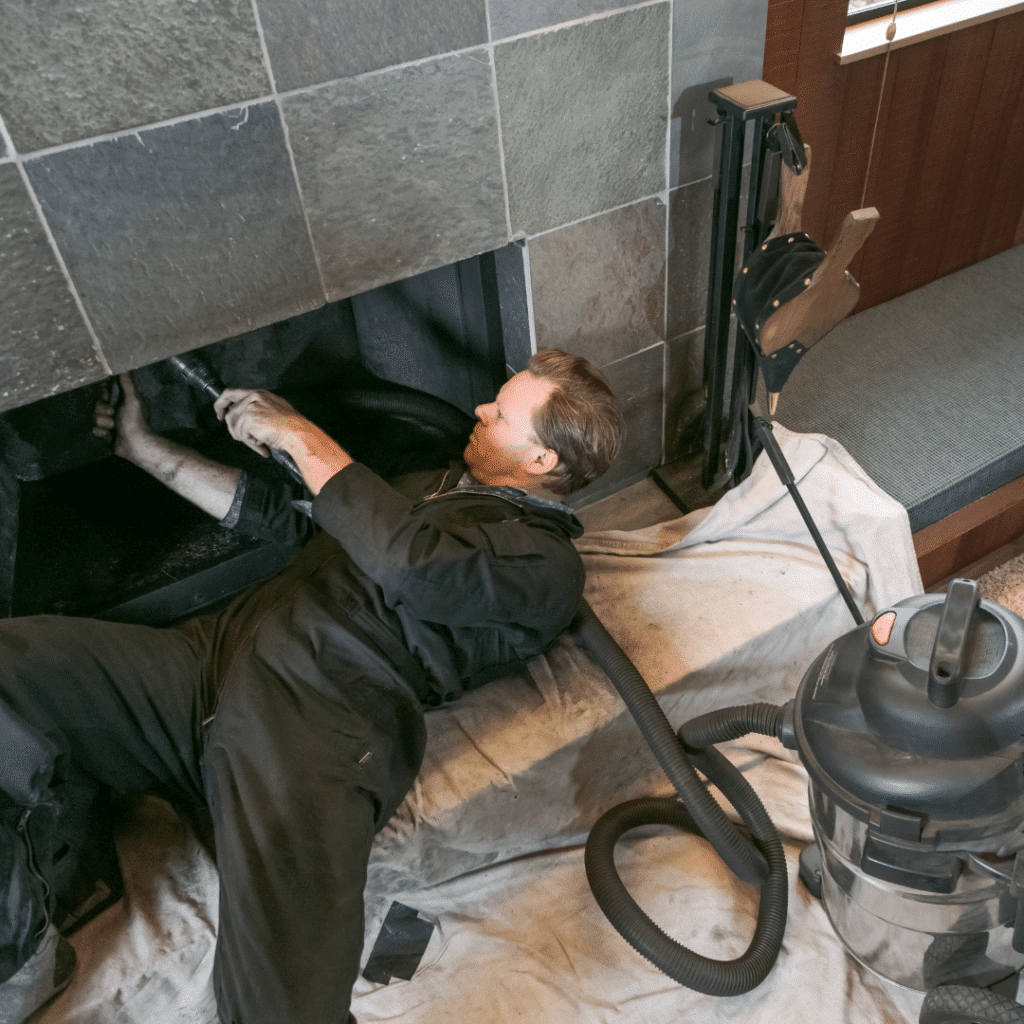
We arrive at your property, establish our HEPA vacuum containment, and lay down our interior drop cloths. We inspect the firebox and determine the exact failure mode of the existing throat damper.
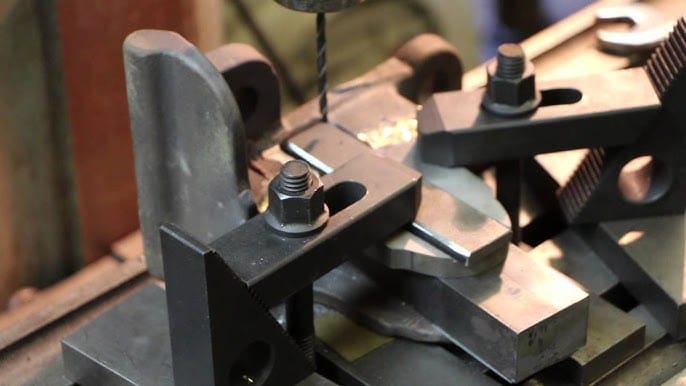
Using specialized metal-cutting tools, we surgically dismantle and extract the rusted cast-iron plate and hinges, clearing the throat of all obstructions.
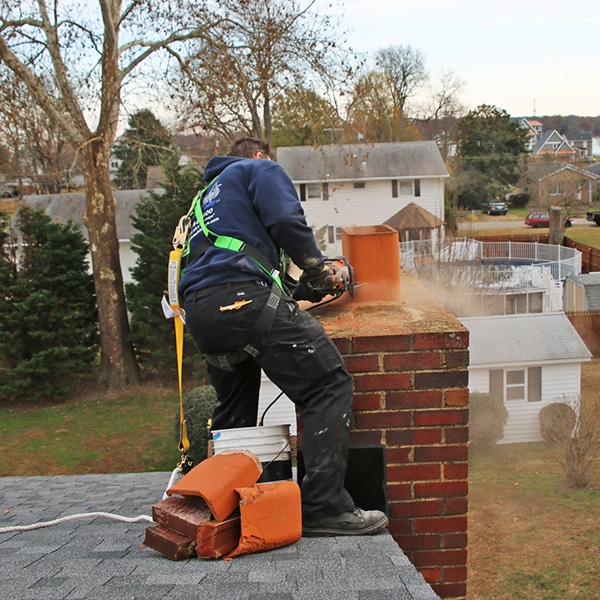
We access the roofline, clean the top of the clay flue tile to ensure proper adhesion, and mount the Lock-Top or Lyemance damper using heavy-duty silicone sealant.
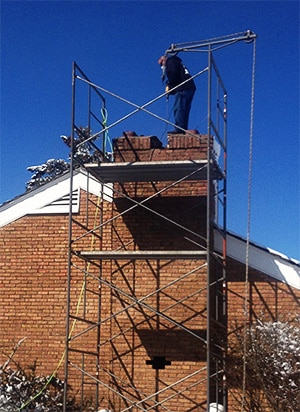
We drop the 32-foot stainless steel cable down the flue, mount the tension bracket inside the firebox, test the silicone seal for absolute airtight compression, and clean our work area.
Our 3-Step Protocol for Curing Chimney Draft Loss
We permanently cure thermal downdrafts by executing a highly specific, three-step mechanical upgrade protocol that guarantees maximum energy efficiency.
We never leave broken parts inside the chimney. We mechanically extract the failed cast-iron plates, stripping the throat back to the bare masonry to ensure a perfectly clear exhaust pathway for future fires.
We ascend to the chimney crown and prepare the terra-cotta flue tile. The top-sealing damper requires a perfectly flat, clean surface to mount correctly. We wire-brush the clay tile to remove any old roofing tar or hardened soot that would compromise the silicone adhesive.
We apply a thick bead of industrial high-heat silicone, seat the cast-aluminum damper housing directly onto the flue tile, and secure the cable assembly in the firebox, providing you with a lifetime-warrantied draft solution.
Upfront Pricing for Top-Sealing Damper Upgrades
Many local companies obscure the true cost of damper repair, quoting a low initial inspection fee only to hit you with massive “Time and Materials” upcharges once they start cutting metal. We reject this completely. We provide absolute financial transparency. You receive a strict, flat-rate quote for the top-sealing damper hardware and the complete mechanical installation before we ever touch your fireplace.
Recouping Your Investment Through Immediate Energy Savings
A top-sealing damper is not an expense; it is a high-yield mechanical investment. Because the silicone rubber gasket eliminates up to 90% of the conditioned air loss associated with a traditional throat damper, you immediately stop bleeding money to your utility provider. For a homeowner in Overland running a central furnace through a harsh winter, the reduction in daily energy loss allows the new damper to literally pay for itself in utility savings within the first few seasons of use.
Trust EBS Home Care LLC to Winterize Your Overland Home
When your throat damper rusts out and sub-zero air pours into your living room, you cannot rely on an amateur with a can of grease. You need a highly technical chimney specialist who understands the exact physics of thermal downdrafts and the specific mechanical codes of St. Louis County.
EBS Home Care LLC operates directly out of Overland, MO, carrying a massive inventory of premium top-sealing dampers on our trucks at all times. Our certified technicians are equipped to surgically extract rusted cast-iron components and install airtight, silicone-sealed draft mechanisms in a single visit. Do not let a broken piece of metal double your winter heating bills. Call our dispatch center today to permanently lock out the cold and restore your home’s energy efficiency.
The Hard Truth About Flashing Repair Costs, Insurance, and Water Infiltration
How much does a top-sealing damper installation cost in Overland, MO?
The average cost for a top-sealing damper installation in the Overland area ranges from $400 to $800. This upfront flat-rate price includes the surgical extraction of your rusted throat damper and the custom fitting of the new cast-aluminum hardware. Upgrading your draft mechanism permanently cures extreme energy loss, allowing the unit to pay for itself in utility savings during the first few St. Louis winters.
Why shouldn't I use WD-40 to unjam my rusted throat damper?
No, spraying WD-40 or penetrating oil on a seized throat damper will only temporarily mask a severe mechanical failure. The intense heat of your next fire will instantly burn off the oil, accelerating the cast-iron rust and causing the draft mechanism to lock shut while smoke is filling the firebox. Professional extraction permanently eliminates the hazard by replacing the corroded metal with an airtight silicone rubber seal at the chimney crown.
What is the difference between a Lock-Top and a Lyemance top-sealing damper?
The primary difference between Lock-Top and Lyemance top-sealing dampers is their physical profile and opening mechanism. A Lyemance damper utilizes a spring-loaded power lever that uses leverage to force the cast-aluminum door open, making it highly effective against heavy ice buildup. A Lock-Top damper pops straight up and remains highly visible when open, providing an integrated stainless steel cap that acts as a superior spark arrestor and animal guard. Both provide absolute flue isolation.
What are the St. Louis County building codes for dampers with gas logs?
St. Louis County mechanical codes strictly prohibit the use of fully operational top-sealing dampers on chimneys venting gas logs. Because gas appliances produce invisible, lethal carbon monoxide, the damper must be removed completely or permanently locked in the open position to prevent accidental poisoning. We forensically evaluate your specific solid fuel or gas setup to ensure your new draft mechanism is 100% legally compliant.
How long does a typical top-sealing damper installation take?
A complete top-sealing damper installation takes exactly 90 to 120 minutes. During this single visit, our technicians establish HEPA vacuum containment, cut out the failed cast-iron plates with an angle grinder, and secure the new 32-foot stainless steel cable assembly. We restore complete flue isolation without tearing apart your historic masonry or leaving your home exposed to thermal downdrafts overnight.
Will a top-sealing damper help lower my monthly utility bills?
Yes, upgrading to a silicone-sealed draft mechanism reduces conditioned air loss by up to 90 percent compared to a traditional throat damper. Studies show that malfunctioning dampers can increase your overall heating and cooling costs by 20 to 30 percent. Standard metal-on-metal cast-iron plates constantly leak, forcing your furnace to run continuously to fight the freezing St. Louis thermal downdraft. By locking out the cold at the chimney peak, you immediately stop bleeding money to your utility provider.
Is a stuck throat damper considered an emergency during winter?
Yes, a throat damper stuck in the open position during a sub-zero Missouri cold snap is an absolute heating emergency. The resulting thermal downdraft pushes freezing outside air directly into your living room, potentially causing your interior pipes to freeze and burst while overwhelming your HVAC system. We deploy immediately from our Overland hub to mechanically remove rust from the cast iron and secure your home’s thermal envelope.
Does my homeowner's insurance cover repairs for a rusted throat damper?
No, standard Missouri homeowner’s insurance policies typically do not cover the replacement of a throat damper that has failed due to long-term cast-iron rust or creosote corrosion. Because moisture damage and rust jacking are considered preventable maintenance issues, adjusters classify this as standard wear and tear. However, if the draft mechanism was destroyed by a sudden, documented lightning strike or chimney fire, we can provide the forensic evidence needed to support a claim.