
Restore Your Historic Commercial Facade This Month Without Shutting Down Your Retail Foot Traffic
Operating out of Overland, our commercial masonry division breathes new life into historic business districts from Main Street, St. Charles, to Downtown St. Louis.
“As a specialized division of our St. Louis commercial & HOA chimney services, we streamline the complex process of heritage masonry repair.
What Is Commercial Historic Masonry Restoration?
Commercial historic masonry restoration is the structural repair and aesthetic preservation of aging brick facades on commercial properties. It requires specialized mortar extraction, custom lime putty blending, and strict adherence to municipal codes to protect pedestrian safety while maintaining the original architectural integrity of the building.
A historic commercial building operates under massive physical and legal stress. The 19th-century and early 20th-century brickwork that gives downtown districts their charm was never designed to endure modern environmental pollution, heavy street vibrations, or the misapplied repairs of generic contractors. When the original mortar fails, the structural facing of your building becomes an immediate public hazard. We do not treat historic storefront restoration like a simple patching job. We approach it as a highly technical engineering project, stabilizing the load-bearing masonry, satisfying strict historic preservation boards, and keeping your commercial tenants open for business while we execute the heavy repairs

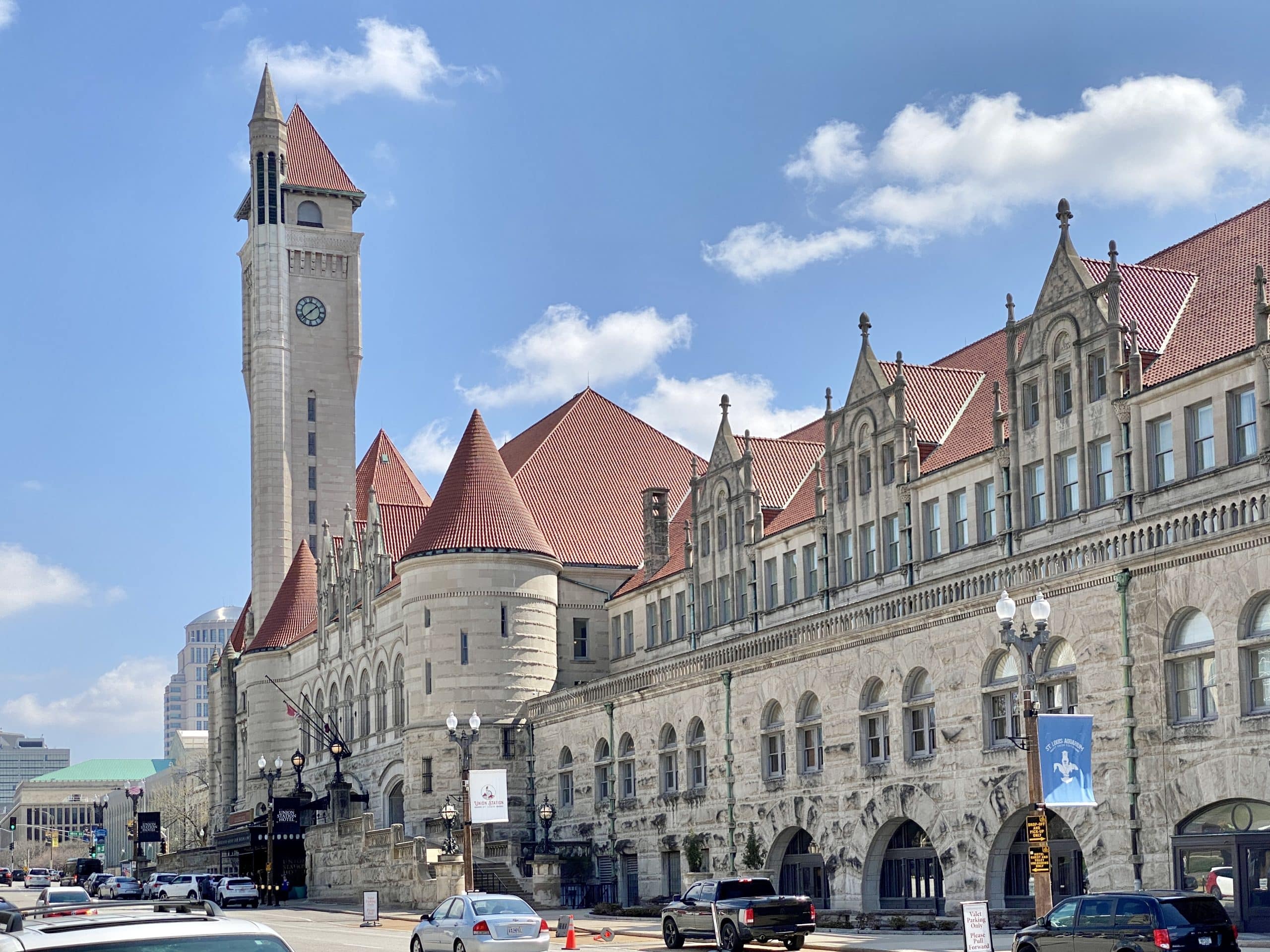
Preserving the Commercial Heritage of the St. Louis Metro
The commercial corridors across the Greater St. Louis area, from the Central West End to the historic riverfronts, are defined by their iconic red brick structures. However, the extreme Midwestern freeze-thaw cycles ruthlessly attack these aging facades. When driving rain saturates 100-year-old porous brick, the subsequent overnight freeze causes massive hydrostatic expansion. Over the decades, this violent process pushes the original mortar out of the joints, leaving the massive brick walls structurally compromised and highly vulnerable to water ingress.
Breathing New Life Into Downtown Business Districts
Commercial property investors buy these aging buildings for their aesthetic value and heritage status, but maintaining that value requires specialized intervention. You cannot rely on modern construction techniques to preserve an antique structure. We understand the specific fired-clay compositions used by early St. Louis brickmakers. Our commercial masonry division uses era-specific preservation techniques to prevent decay, ensuring these historic business districts remain structurally sound and visually striking for the next century of commerce.
Saving a Main Street Storefront from a Code Violation
Two years ago, a commercial property manager in a historic downtown district called us in an absolute panic. The city inspector had just issued a severe code violation because large chunks of sandy mortar and brick flakes were dropping directly onto the public sidewalk from the parapet wall of his three-story building. The ground floor was occupied by a high-volume coffee shop, and the city was threatening to shut down the sidewalk, effectively choking off the tenant’s revenue stream.
We mobilized our commercial unit that same evening. We didn’t shut down the coffee shop; instead, we erected a heavy-duty steel pedestrian safety canopy over the entrance. This allowed the morning commuters to safely access the business while we worked directly above them. Over the next week, we systematically ground out the decayed joints, stabilized a severely leaning parapet with helical wall ties, and executed a flawless commercial tuckpointing operation using historically matched mortar. The city inspector cleared the violation immediately, the landlord avoided a massive fine, and the tenant never lost a single dollar of retail revenue.

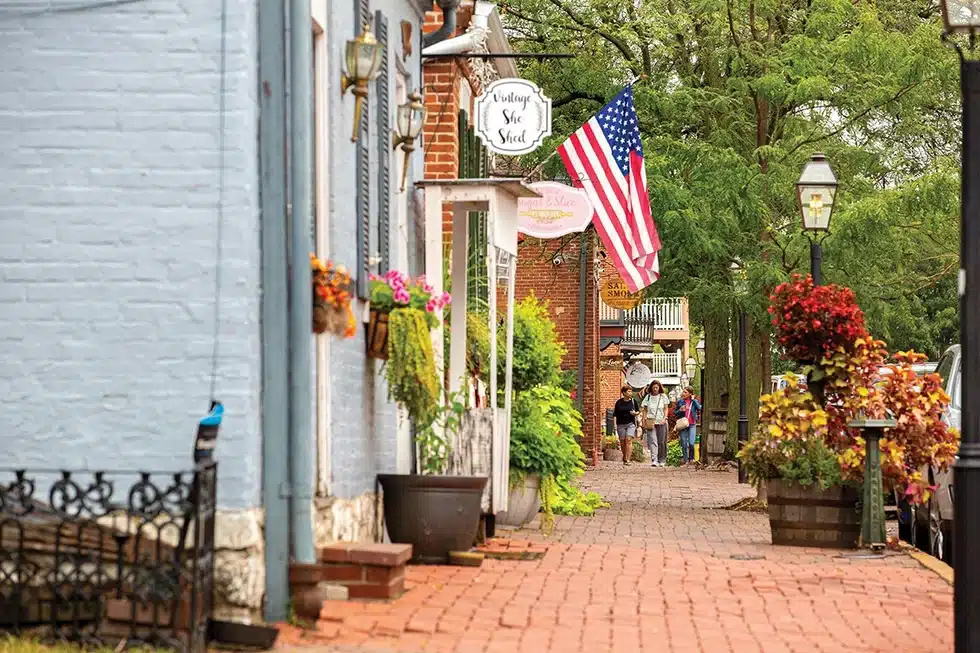
The commercial corridors across the Greater St. Louis area, from the Central West End to the historic riverfronts, are defined by their iconic red brick structures. However, the extreme Midwestern freeze-thaw cycles ruthlessly attack these aging facades. When driving rain saturates 100-year-old porous brick, the subsequent overnight freeze causes massive hydrostatic expansion. Over the decades, this violent process pushes the original mortar out of the joints, leaving the massive brick walls structurally compromised and highly vulnerable to water ingress.
Breathing New Life Into Downtown Business Districts
Commercial property investors buy these aging buildings for their aesthetic value and heritage status, but maintaining that value requires specialized intervention. You cannot rely on modern construction techniques to preserve an antique structure. We understand the specific fired-clay compositions used by early St. Louis brickmakers. Our commercial masonry division uses era-specific preservation techniques to prevent decay, ensuring these historic business districts remain structurally sound and visually striking for the next century of commerce.
The Severe Liability of Crumbling 19th-Century Brickwork
Owning a commercial building in a dense urban environment carries immense legal responsibility. When your 19th-century facade begins to deteriorate, it ceases to be a maintenance issue and instantly becomes a severe liability. Gravity is constantly pulling on your structure. If a single spalled brick or a heavy chunk of failed mortar detaches from the third story and strikes a pedestrian or a parked vehicle below, your property management firm faces devastating litigation.
Insurance underwriters are aggressively surveying aging commercial portfolios. If an underwriter spots heavy efflorescence, deep mortar voids, or leaning structural walls, they will flag the property for immediate cancellation. You cannot ignore a crumbling facade. We execute preemptive facade preservation to eliminate these physical drop hazards, legally indemnifying your ownership group and securing your master commercial insurance policy before an accident occurs.


Why We Mandate Custom Lime Putty Mortar for Historic Facades
The fastest way to destroy a historic commercial building is to hire a standard contractor who uses modern, high-strength Portland cement to point the bricks. Modern cement is incredibly rigid and completely non-porous. When applied to softer, antique St. Louis brick, the cement traps existing moisture inside the wall. During the winter freeze, the trapped water expands, but the rigid cement refuses to yield. The resulting pressure violently shatters the antique brick faces, causing irreversible structural damage.
Protecting Your Building’s Architectural Integrity
We completely reject the use of modern cement on heritage buildings. Instead, we mandate the use of custom-blended lime putty mortar. Historic lime mortar acts as the sacrificial element of the wall. It is engineered to be softer than the surrounding brick, allowing the massive structure to naturally shift, settle, and flex without cracking the clay. Furthermore, lime mortar is highly breathable, pulling trapped moisture out of the wall cavity and allowing it to evaporate harmlessly into the atmosphere. This exact chemical balance is the key to true architectural integrity.
Restoring Your Facade Even If the Load-Bearing Walls Are Bowing
A terrifying moment for any commercial real estate investor is noticing a visible “belly” or severe bowing in the exterior load-bearing brick wall. Many owners assume the building is condemned and prepare for a massive, multi-million dollar demolition. Even if your century-old commercial property is suffering from severe lateral deflection, we can often save the structure without tearing it down.
We deploy advanced structural stabilization techniques before we execute the cosmetic pointing. Our masons drill discreet, precision pilot holes through the brickwork and install heavy-duty stainless steel helical ties, physically anchoring the bowing facade back to the internal wooden floor joists. Once the structural geometry is firmly locked in place and the collapse risk is neutralized, we perform the surgical mortar extraction and repointing, completely concealing the heavy engineering behind a flawless historic finish.

Navigating St. Louis Historic Preservation Board Requirements

Modifying the exterior of a commercial property located within a designated St. Louis historic district requires navigating a labyrinth of municipal red tape. You cannot simply grind out mortar and slap new mud on the wall. The St. Louis Cultural Resources Office enforces strict zoning and preservation codes that dictate exactly how an antique facade must be handled. Failing to comply results in stop-work orders and massive daily fines.

We manage the strict municipal code compliance for you. Before we begin the restoration, we extract samples of the original 19th-century mortar and subject them to laboratory-grade acid digestion testing. This forensic analysis proves the exact aggregate ratio and binder chemistry used by the original builders. We present this hard data directly to the local historic preservation board, guaranteeing that our custom lime putty matches the historical record perfectly and allowing your project to sail through the permit approval process.
Mortar Analysis for Heritage Status Compliance
Protecting Your Patrons with Pedestrian Safety Canopies
The primary objection commercial landlords have regarding facade restoration is the fear of disrupting their ground-floor retail tenants. You cannot block the front door of a restaurant or a boutique for three weeks while scaffolding is erected; your tenants will demand rent concessions for the lost business.
We eliminate this operational friction. We deploy highly engineered pedestrian safety canopies, commonly known as sidewalk sheds, across the entire perimeter of the worksite. These heavy-duty steel and timber structures provide a highly visible, brilliantly lit, and completely safe tunnel for foot traffic to seamlessly access your commercial tenants. The retail operations continue uninterrupted while our masonry crews execute aggressive grinding and pointing on the scaffolding directly above the canopy.
The Relief of High-Volume Foot Traffic Bypassing the Worksite
There is a distinct, satisfying relief for a property manager when they realize a major capital expenditure project is not impacting their daily revenue. Inside the ground-floor retail shops, the cash registers continue to ring, and customers navigate the entrance without hesitation. Above the heavy wooden decking of the canopy, our grinders are cutting through dense mortar, and broken bricks are being extracted, yet the pedestrians below are completely shielded from the noise, falling debris, and overhead hazards. You maintain a pristine relationship with your commercial tenants while simultaneously securing the physical shell of the building.
Our Phased Timeline for Full Commercial Facade Restorations
Executing a commercial historic storefront restoration requires militant logistical planning and strict adherence to a phased timeline to minimize urban disruption.
We secure the municipal permits, erect the pedestrian safety canopies, assemble the heavy scaffolding, and isolate the work zone.

We deploy the HEPA-shrouded grinders to surgically remove the deteriorated mortar to a depth of at least twice the joint width, ensuring we hit solid binder without damaging the antique brick.
We mix the approved lime putty mortar on-site, meticulously packing the joints in calculated lifts to prevent shrinkage, and tooling the finish to perfectly replicate the 19th-century aesthetic.

We clean the restored facade using buffered, masonry-safe acidic solutions, dismantle the scaffolding, and extract the pedestrian canopy during off-peak hours.
Your 3-Step Path to Commercial Masonry Preservation
We streamline the complex process of heritage masonry repair through a predictable, highly communicative B2B methodology.
We conduct a comprehensive visual and physical inspection of the commercial facade, identifying leaning parapets, severe brick spalling, and failed steel lintels above the storefront windows to determine the true scope of the liability.
We engineer the site for maximum safety, deploying the necessary sidewalk sheds and OSHA-compliant dust controls to protect your tenants, patrons, and the general public.
Our master masons execute the commercial tuckpointing, utilizing laboratory-matched lime mortars to permanently secure the weather envelope and elevate the architectural prestige of the asset.
Honest Commercial Bidding Without Forced Hourly Overruns
Bidding a massive exterior restoration requires surgical accuracy. Unethical masonry firms often submit an artificially low initial bid to win the contract, knowing full well they will hit the ownership group with massive, open-ended “Time and Materials” change orders the moment the scaffolding goes up. This ruins capital expenditure budgets.
Driving ROI Through Storefront Curb Appeal
We provide absolute financial transparency for our commercial clients. We calculate the exact square footage of the required pointing, factor in the cost of the safety canopies, and present a strict, upfront flat-rate bid. The price on the contract is the price you pay. By investing in true historic storefront restoration, you do more than just fix a leak. You drastically elevate the curb appeal of the building, allowing your leasing agents to command premium per-square-foot rental rates from high-end commercial tenants.
Partner With EBS Home Care LLC for Commercial Tuckpointing
When the 19th-century brickwork on your commercial asset begins to crumble onto the sidewalk, you cannot trust the repair to a generic contractor. You need an elite team of heritage masonry specialists who understand the severe legalities of municipal code compliance and the chemistry of antique building materials.
Operating out of our central hub in Overland, MO, EBS Home Care LLC delivers heavy-duty commercial historic masonry restoration to property managers and real estate investors across the St. Louis metropolitan area. We deploy the safety canopies, match the historic mortar, and seamlessly restore the facade without ever shutting down your retail tenants. Do not let deferred maintenance trigger a catastrophic liability claim. Contact our commercial division today to secure your building’s heritage and request a comprehensive masonry audit.
Commercial Facade: The Hard Truth About Restoration Costs, Code Violations, and Pedestrian Safety
How much does commercial historic masonry restoration cost in Overland, MO?
The average cost for commercial historic masonry restoration ranges from $25 to $40+ per square foot, depending heavily on the complexity of the 19th-century brickwork and necessary structural stabilization. EBS Home Care LLC provides a strict, upfront flat-rate bid after conducting a thorough structural audit of your property. This transparent B2B pricing covers the erection of pedestrian safety canopies, surgical mortar extraction, and the application of custom-blended lime putty mortar to permanently secure your building’s exterior envelope.
Will my retail tenants have to close during the commercial tuckpointing process?
No, your ground-floor retail tenants will absolutely not have to close or lose foot traffic during the restoration project. We deploy heavy-duty steel and timber pedestrian safety canopies (sidewalk sheds) that create a brilliantly lit, fully protected walkway for patrons. Our commercial masonry division operates on the scaffolding directly above the canopy, ensuring your historic storefront remains fully operational and profitable while we preserve the architectural integrity of the facade.
What is the difference between a standard roofer and a historic masonry specialist?
A standard commercial roofer relies on non-porous silicone and high-strength Portland cement to patch leaks, whereas a historic masonry specialist utilizes highly breathable lime putty mortar. Applying rigid modern concrete to a heritage building traps moisture and forces hydrostatic expansion to shatter the antique clay bricks during a St. Louis winter freeze. Our master masons perform laboratory-grade acid digestion tests to perfectly match the original binder chemistry, ensuring the structural facing safely manages moisture without spalling.
Does commercial property insurance cover code violations for crumbling brickwork?
No, standard master commercial insurance policies generally do not cover the cost of repairing crumbling brickwork or municipal fines if the damage stems from deferred maintenance. However, if your 19th-century facade was suddenly damaged by a severe storm or a third-party vehicle impact, our commercial masonry division provides the line-itemized structural audits needed by insurance adjusters. We quickly stabilize bowing load-bearing walls to prevent policy cancellation due to immediate drop hazards.
What are the OSHA silica dust containment requirements for commercial mortar grinding?
OSHA regulations mandate that all handheld grinders used for commercial tuckpointing must be equipped with localized exhaust shrouds connected directly to a dust collection system. We strictly comply with these federal safety laws by deploying industrial H-Class HEPA vacuums that capture 99.97% of respirable silica dust directly at the grinder blade. This airtight containment protocol guarantees that hazardous masonry dust never infiltrates your building’s HVAC intakes or the surrounding St. Louis public airspace.
What should I do if a city inspector issues an immediate code violation for falling bricks?
If you receive a municipal code violation for spalled bricks dropping onto a public sidewalk, you must immediately secure the perimeter and dispatch a commercial masonry crew. We mobilize rapidly to St. Louis historic business districts to install temporary structural bracing and protective sidewalk sheds. This immediate triage protects pedestrian safety, appeases the municipal inspector, and halts devastating daily fines until the full commercial facade preservation can begin.
How long does the laboratory-grade mortar analysis take for heritage status compliance?
A laboratory-grade acid digestion test takes exactly 24 to 48 hours to accurately map the chemical composition of your original 19th-century mortar. Our forensic testing isolates the historic aggregate sand and binder ratio, allowing us to submit irrefutable data to the St. Louis Cultural Resources Office. This swift, scientific validation guarantees your historic storefront restoration receives rapid permit approval from local preservation boards without bureaucratic delays.
Do I need a permit to erect pedestrian safety canopies in St. Louis County?
Yes, erecting pedestrian safety canopies over public sidewalks requires a specific right-of-way encroachment permit and a building permit from St. Louis County or the local municipality. EBS Home Care LLC handles this entire bureaucratic process, submitting the engineered scaffolding blueprints to the local building division on your behalf. We ensure all logistics meet municipal code compliance so your commercial tuckpointing project starts without legal interruptions.