
Stop Toxic Chimney Smoke From Entering Your Home Today Without Destructive Wall Teardowns
Serving the entire St. Louis metro with same-day draft diagnostics.
We forensically prove the exact throat damper failure so you can safely heat your home tonight.
As part of our St. Louis 24/7 emergency chimney repair protocol, you can Stop Toxic Chimney Smoke now!
Why Your Chimney Is Pushing Smoke Into the Living Room
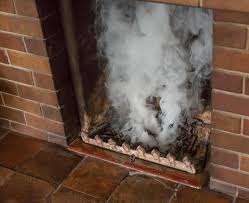
Smoke pushing into your living room is caused by a failure in combustion airflow, typically driven by negative air pressure inside the home or a physical flue obstruction. This reverse draft forces toxic byproducts, including soot and carbon monoxide, down the chimney and directly into your breathing space.
When a fireplace operates correctly, it functions as a highly efficient engine. The heat from the fire creates a thermal updraft, pulling oxygen from the room to feed the flames while aggressively pushing the exhaust gases up the flue and out of the house. However, this engine relies on a fragile balance of thermodynamics and atmospheric pressure. When that balance is broken, the engine runs in reverse.
A sudden backdraft is rarely a random occurrence; it is a mechanical or environmental failure. You might be dealing with a collapsed terra-cotta clay tile that has choked off the exhaust path, or fighting the actual atmospheric pressure of your own house. It requires a forensic understanding of how air moves through a structure. We do not guess why your chimney is smoking; we prove it scientifically before we ever suggest a repair.


The Truth About Airflow in Modernized St. Louis Homes
The housing stock in the Greater St. Louis area presents a unique challenge for chimney mechanics. Over the last decade, homeowners in Overland have heavily invested in energy efficiency, installing tightly sealed double-pane windows and closed-cell insulation. While fantastic for lowering winter heating bills, it completely starves your fireplace of oxygen. In a modernized, tightly sealed home, the fire consumes the indoor oxygen, but no new air can enter to replace it, creating a vacuum effect.
How the “Stack Effect” Reverses Your Draft During Winter
This vacuum phenomenon is known as the “stack effect.” During a bitter Missouri winter, the warm air generated by your furnace naturally rises toward the upper levels of your home. As it pushes upward, it depressurizes your main floor living room. The house desperately seeks a pathway to pull outside air back inside to equalize the pressure. The path of least resistance is usually your chimney. The house physically sucks freezing outside air down the flue, bringing all the toxic wood smoke right along with it.
Tracing a Deadly Carbon Monoxide Backdraft on Delmar Boulevard
Late last January, during a severe cold snap, our dispatch center received a frantic call from a homeowner off Delmar Boulevard. They had started a fire to offset the freezing temperatures, but within twenty minutes, their carbon monoxide detectors began blaring, and a thick, acrid haze filled the first floor.
When I arrived on site the next morning, I bypassed the standard chimney brushes and immediately fed our camera system up the flue. At about twelve feet up, the monitor revealed the actual culprit. A massive section of the original 1940s clay liner had suffered a thermal shock fracture during a previous, undetected chimney fire. The clay had literally collapsed inward, creating a severe flue obstruction that choked off 80% of the exhaust diameter. The fire couldn’t push the smoke past the collapse, resulting in a massive carbon monoxide backdraft. We scheduled a full stainless steel relining for next week, completely bypassing the collapsed clay and restoring a safe exhaust path.


The Silent Threat of Negative Air Pressure and Carbon Monoxide
A smoky living room is a highly visible problem, but the smoke itself is just the indicator of a much more dangerous, invisible threat. When negative air pressure forces exhaust gases back down your chimney, it is actively pumping carbon monoxide (CO) into the enclosed space where your family sleeps.
Carbon monoxide is a completely odorless, colorless, and tasteless byproduct of incomplete combustion. When your chimney suffers a draft failure, the heavier CO gases sink and pool across the floor of your home. Prolonged exposure causes severe headaches and disorientation. At higher concentrations, often caused by a completely blocked flue during a winter freeze, it is lethal. If your fireplace is pushing smoke back into the room, your carbon monoxide risk is at a critical level. We treat draft failures as absolute life-safety emergencies.
Why We Use ChimScan and Wöhler Cameras Instead of Flashlights
The traditional image of a chimney sweep involves a man shining a hardware-store flashlight up a dark hole. We reject this outdated approach. A flashlight beam cannot penetrate heavy soot or see hidden fractures thirty feet up an offset flue. To accurately diagnose a draft failure, you must utilize specialized imaging optics. Our lead technicians deploy premium Wöhler VIS 700 and ChimScan camera systems featuring 360-degree pan-and-tilt optic heads.
The Science Behind Level 2 Video Inspections
This exact process is known as a Level 2 video inspection. By utilizing this technology, we remove all guesswork. If there is a hidden bird’s nest blocking the draft, we show it to you on a high-definition monitor. If the clay liner has shifted and disrupted the thermal updraft, we capture the exact severity of the structural failure. We provide photographic evidence of the internal geometry, allowing us to formulate a highly targeted mechanical solution rather than blindly selling you parts.


Why Generic Sweeps Misdiagnose Throat Damper Failure
The local home services industry is saturated with untrained sweeps who lack a fundamental understanding of pressure dynamics. Their only diagnostic tool is a wire brush. They aggressively scrub the flue, charge a fee, and leave. The next night, the smoke pours back into your house exactly as it did before.
These contractors routinely fail to diagnose mechanical failures of throat dampers. The throat damper is the heavy cast-iron plate located just above the firebox. After decades of exposure to moisture, the iron rusts and the hinges seize. Even when you pull the handle, the rusted plate may only open halfway, bottlenecking the exhaust and forcing smoke back down. We perform forensic testing of the articulation of all mechanical components. If your throat damper is seized, we extract the rusted iron and install an airtight, top-sealing damper at the crown, completely eliminating the restriction.
Managing Combustion Airflow in 1930s Historic Brick Houses

St. Louis County is renowned for historic masonry homes built in the 1920s and 1930s. These houses feature massive brick hearths that originally functioned as the primary heating source. The architectural physics of these older structures are fundamentally different from modern construction; the original wood-framed windows allowed massive amounts of fresh air to flow into the house, providing endless oxygen to fuel the fireplace.

When these historic homes undergo modern renovations, replacing drafty windows with tightly sealed, argon-gas-filled glass and pumping foam into the walls, they suffocate. The massive masonry fireplace still demands huge volumes of oxygen, but the house can no longer provide it. The result is a total reversal of airflow. We specialize in retrofitting these historic hearths. We install specialized outside combustion air kits that drill directly through the back of the firebox to the exterior, providing the fire with a dedicated, isolated oxygen line and restoring a flawless draft.
When Upgraded Windows Suffocate an Old Fireplace
Our Code-Compliant Approach to NFPA 211 Safety Standards

Diagnosing and repairing combustion airflow is not a guessing game; it is a highly regulated science. Attempting to modify a chimney flue or alter a damper assembly without strict adherence to fire safety codes puts the entire structure at risk of an uncontrolled house fire.
Our technicians are rigorously trained to execute all draft corrections in absolute compliance with the National Fire Protection Association (NFPA) 211 Standard for Chimneys, Fireplaces, Vents, and Solid Fuel-Burning Appliances. We ensure that every mechanical alteration meets the strict clearance-to-combustibles requirements dictated by St. Louis County codes.

When severe weather or a sudden thermal shock event causes a flue collapse that ruins your draft, your homeowner’s insurance policy should cover the repair. However, adjusters aggressively deny claims if the diagnostic report lacks technical precision. Because we adhere to NFPA 211 standards, we provide your insurance carrier with the exact, code-compliant photographic evidence and structural measurements they require to approve your payout.
Securing Your Homeowner’s Insurance Claim
The Exact 45-Minute Diagnostic Timeline for Your Flue
When your house smells like smoke and your carbon monoxide detectors have triggered, you do not have the patience for a contractor who moves slowly. We respect your time by adhering to a predictable 45-minute diagnostic timeline:
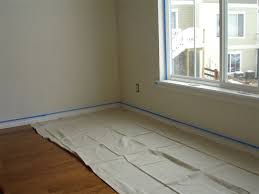
Upon arrival in Overland, we immediately deploy interior drop cloths, secure the hearth perimeter, and establish HEPA vacuum containment.

We deploy the Wöhler pan-and-tilt camera system, mapping the entire internal structure of the flue and identifying cracked clay tiles or heavy creosote restrictions.

We perform volumetric airflow testing. We measure the atmospheric pressure in your living room relative to the exterior environment to scientifically determine whether a negative-pressure vacuum is causing the backdraft.

We extract our equipment and review the high-definition camera footage with you, providing a definitive, scientific explanation of why your chimney is failing.
Your Three-Step Path to Proper Chimney Ventilation
We refuse to guess. We utilize our Level 2 video inspection cameras and digital manometers to locate the exact physical obstruction or atmospheric pressure deficit causing the smoke blowback.
Once we identify the restriction, we do the math. If your home is suffering from the stack effect, we calculate the exact volume of makeup air required to feed the fire. If the flue is undersized, we determine the exact stainless steel liner dimensions needed to accelerate the exhaust velocity.
We execute the specific, targeted repair. Whether that involves installing a custom draft induction fan on the roof, tearing out a rusted throat damper, or installing an exterior combustion air kit, we implement the hardware required to permanently terminate the backdraft.
Honest, Flat-Rate Quoting for Diagnostic Scanning
The most stressful part of hiring a contractor to diagnose a hidden problem is the fear of an escalating invoice. Many local companies lure you in with a cheap inspection fee, only to immediately switch to an aggressive “Time and Materials” contract that racks up hidden hourly labor fees while they poke around your fireplace.
We completely reject that predatory pricing model. We operate on a strict, upfront, flat-rate fee for our Level 2 video inspections and draft diagnostics. You know exactly what the diagnostic sweep will cost before we power on our cameras.
No Destructive Teardowns Required
Because we utilize advanced video imaging, we do not need to punch holes in your drywall or dismantle your masonry to find the blockage. Once we scientifically identify the failure point, we provide a separate, line-itemized quote for the mechanical correction. You are under zero obligation to proceed, but we guarantee our diagnostics will be transparent and completely free of hidden hourly upcharges.

Rely on EBS Home Care LLC for Safe St. Louis Winters

When the temperatures plummet, and your chimney begins pushing toxic exhaust into your home, you cannot rely on an amateur handyman to fix the complex thermodynamics of your fireplace. You need a highly technical, specialized local contractor who understands the exact atmospheric pressures and architectural nuances of the St. Louis housing stock.
Operating directly from our dispatch hub in Overland, EBS Home Care LLC is uniquely positioned to provide rapid, highly technical draft corrections to homeowners across the metropolitan area. Our certified technicians are equipped with the most advanced diagnostic camera systems on the market, allowing us to accurately pinpoint your flue obstruction and restore safe combustion airflow without the guesswork. Do not let negative air pressure and carbon monoxide threats render your fireplace useless this winter. Call our dispatch center today to schedule a forensic Level 2 video inspection.
Smoke Backdraft Triage: The Hard Truth About Diagnostic Costs, Timelines, and Flue Obstructions.
How much does a Level 2 chimney video inspection cost in Overland, MO?
The average cost for a Level 2 video inspection in Overland ranges from $200 to $299. We charge a strict, upfront flat-rate diagnostic fee to deploy our Wöhler VIS 700 camera systems into your chimney. This guarantees we pinpoint the exact cause of the throat damper failure or clay tile collapse without hitting you with hidden “Time and Materials” hourly upcharges once the work begins.
How soon can EBS Home Care LLC arrive for an emergency carbon monoxide backdraft?
We can arrive within 2 to 4 hours for an active carbon monoxide backdraft emergency in the St. Louis metro area. Our dispatch hub on O’Connell Ave prioritizes these life-safety events to perform immediate volumetric airflow testing. We deploy heavy-duty HEPA vacuum containment and quickly locate the flue obstruction before toxic gases permanently contaminate your living space.
Will the Enervex chimney draft induction fan be loud or noisy?
No, commercial-grade Enervex chimney exhaust fans operate at an ultra-low decibel level, virtually inaudible from inside the living room. The heavy-duty cast-aluminum housing and dynamically balanced stainless-steel blades prevent vibration transfer through historic masonry. This draft induction technology guarantees a perfect thermal updraft without disrupting your home’s acoustic environment.
Is EBS Home Care LLC licensed and insured to repair chimneys in St. Louis County?
Yes, our technicians carry specialized credentials and our company maintains comprehensive liability insurance specifically rated for structural masonry and combustion airflow modifications. We rigorously adhere to the NFPA 211 standards for all flue diagnostics. Furthermore, all top-sealing dampers and exterior combustion air kits we install meet strict St. Louis County municipal building codes.
What is the difference between an Enervex draft fan and a standard wind-driven cowl?
An Enervex draft induction fan creates a mathematically guaranteed negative pressure vacuum, whereas a wind-driven cowl relies entirely on unpredictable ambient St. Louis weather to function. Standard cowls frequently freeze solid during a severe Missouri cold snap, completely choking the exhaust pathway. The motorized Enervex system actively overrides the stack effect in tightly sealed homes to safely expel wood smoke regardless of outdoor wind conditions.
Does my homeowner's insurance cover repairs for thermal shock flue collapses?
Yes, most Missouri homeowner’s policies cover the installation of a new stainless steel liner if the existing terra-cotta clay liner was destroyed by a sudden, undetected chimney fire. To secure your payout, our CSIA-trained technicians provide your insurance adjuster with precise Level 2 video inspection footage. This forensic documentation proves the structural failure was an acute thermal shock event rather than long-term homeowner neglect.
Why shouldn't I use chemical sweeping logs to clear a blocked flue?
Chemical creosote logs cannot physically remove a solid flue obstruction like a collapsed clay tile, rusted throat damper, or heavy animal nest. While they may loosen minor, flaky soot, they fail completely against hardened Stage 3 creosote glazes. Relying on a retail chemical log during a negative air pressure failure leaves you dangerously exposed to immediate carbon monoxide backdrafts.
What are the specific St. Louis County codes for installing a new chimney flue liner?
St. Louis County Mechanical Code Rule 7 classifies a flue liner as a mechanical system requiring a registered, licensed mechanical contractor to oversee installation. This strict municipal ordinance ensures that any stainless steel relining maintains proper clearance-to-combustibles to prevent house fires. We manage all necessary permits and provide code-compliant structural modifications to your historic brick chimney.